
The White Horse Round - Overnighter #3
Wiltshire - October 2025
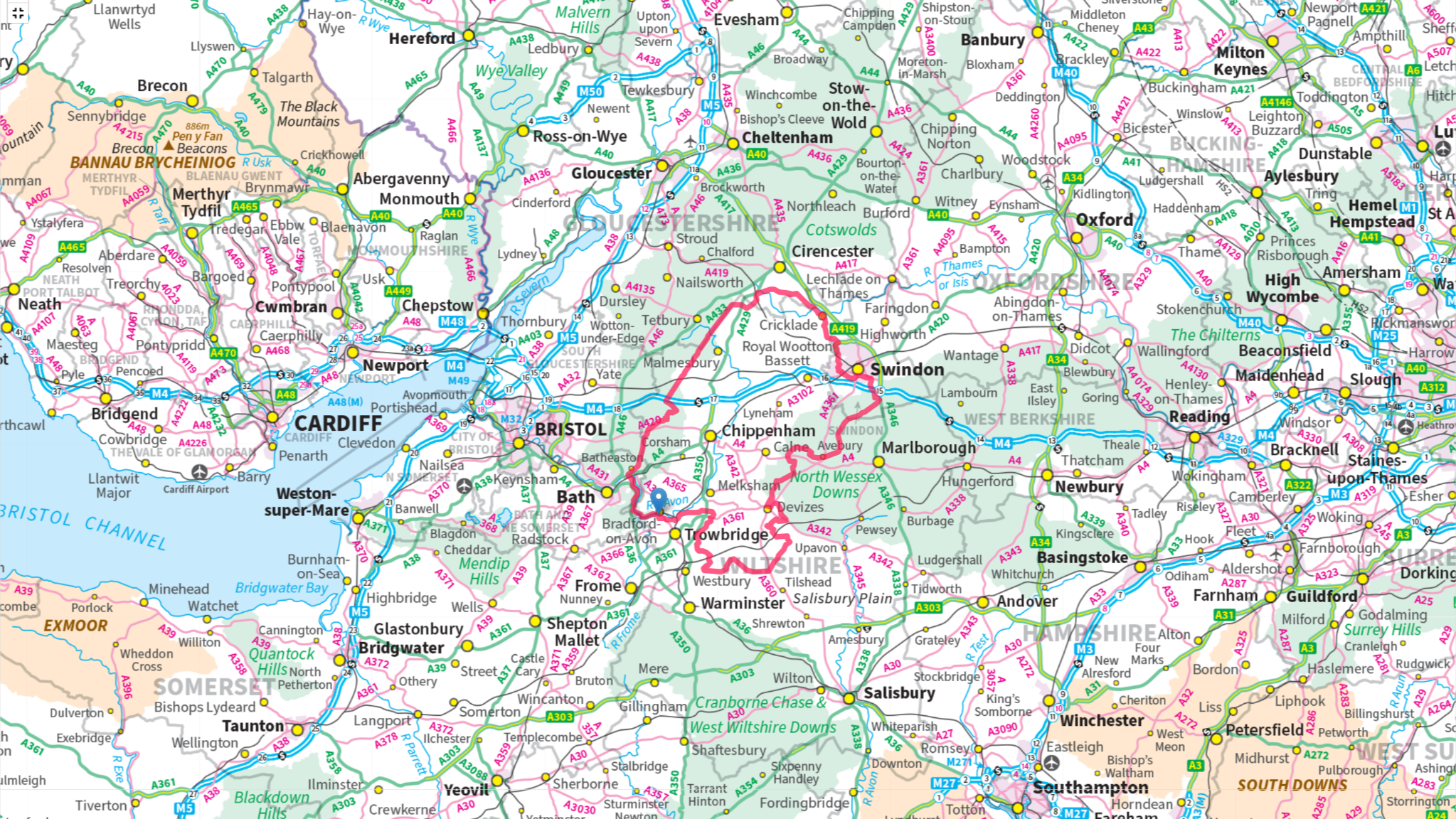
Our third overnighter took us west for a proper test of legs, patience, and puncture repair skills. After tackling the South Downs Overnighter earlier in the year, this time fellow RAB/Unit 5 mechanic John Hooley and I set our sights on the White Horse Round, a 117-mile (194 km) gravel adventure looping through the Wiltshire countryside.
The route, originally mapped by local riders to support the Great Western Air Ambulance Charity, is a 50/50 blend of byways and backroads, taking in ancient chalk horses, Roman roads, and timeless Wiltshire villages. Designed as a self-guided, more adventurous alternative to mass-participation sportives, the White Horse Round is everything we love about long-distance riding: big landscapes, quiet trails, and plenty of stories along the way.
The official loop starts and finishes in Bradford-on-Avon, but we decided to begin and end our ride in Swindon to make travel easier and line up a natural overnight camping stop midway through the route. It turned out to be a smart move logistically we could get there directly by train and finish right back at the station but it also meant flipping the route’s rhythm: a steadier first day followed by a much punchier, climb-heavy second half.
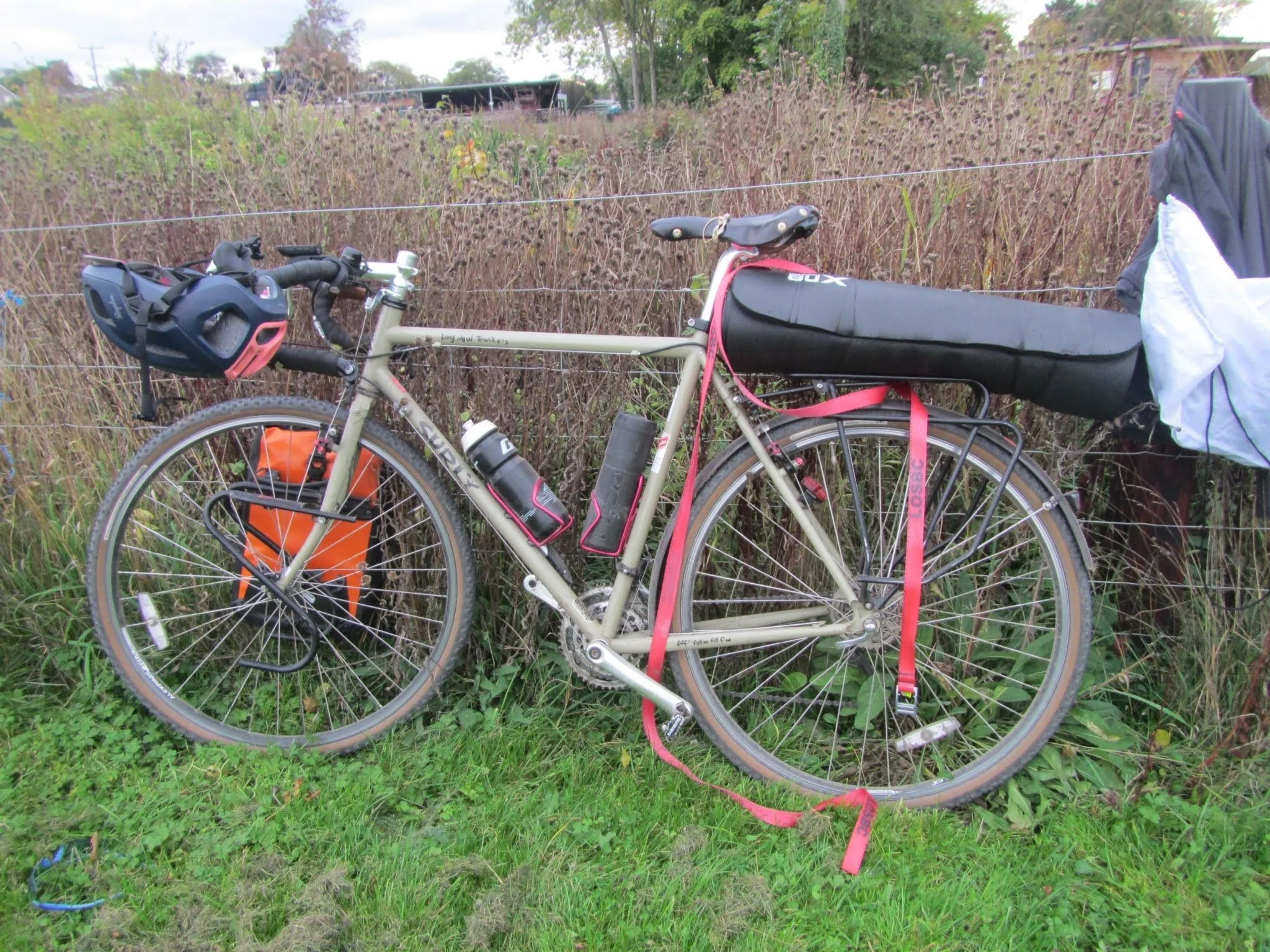
John handled the logistics with military precision, arranging for us to meet at Paddington Station for the 07:31 GWR train to Swindon (£39 return with a bike reservation and just under an hour’s journey). He was on his Kona Libre CR, a sleek gravel machine built for big days out, while I rode a Surly Long Haul Trucker, a steel-frame classic that thrives on endurance and heavy miles.
We rolled out of Swindon town centre just after 8:30 a.m., heading north around the Ashton Lagoon reserves, skirting Cotswold Airport, then joining the mighty Fosse Way, a historic Roman road stretching from Exeter to Lincoln. Our 11 km section offered a rugged mix of gravel, farm track, and chalky double-track, with just enough ruts to keep things interesting.
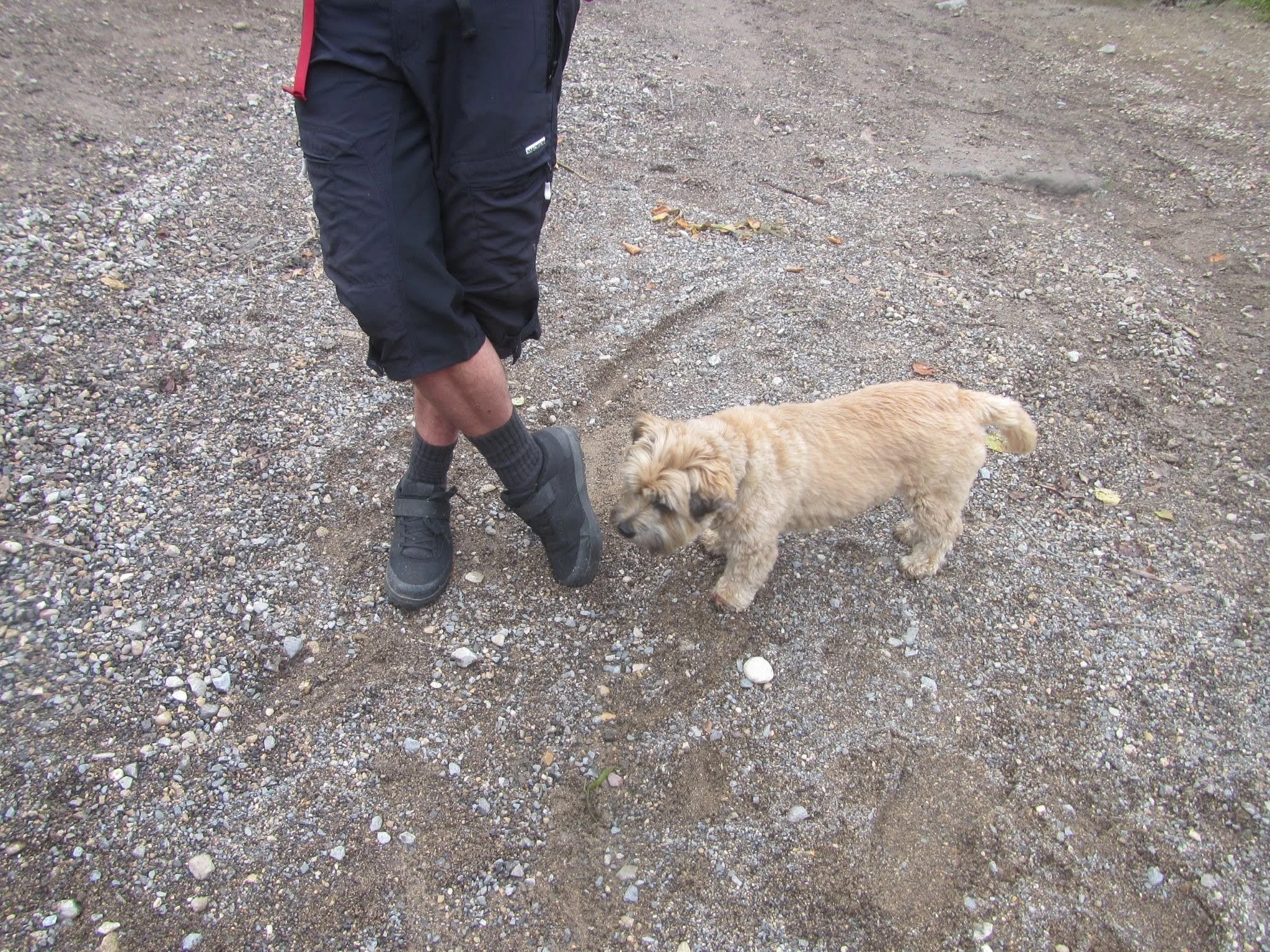
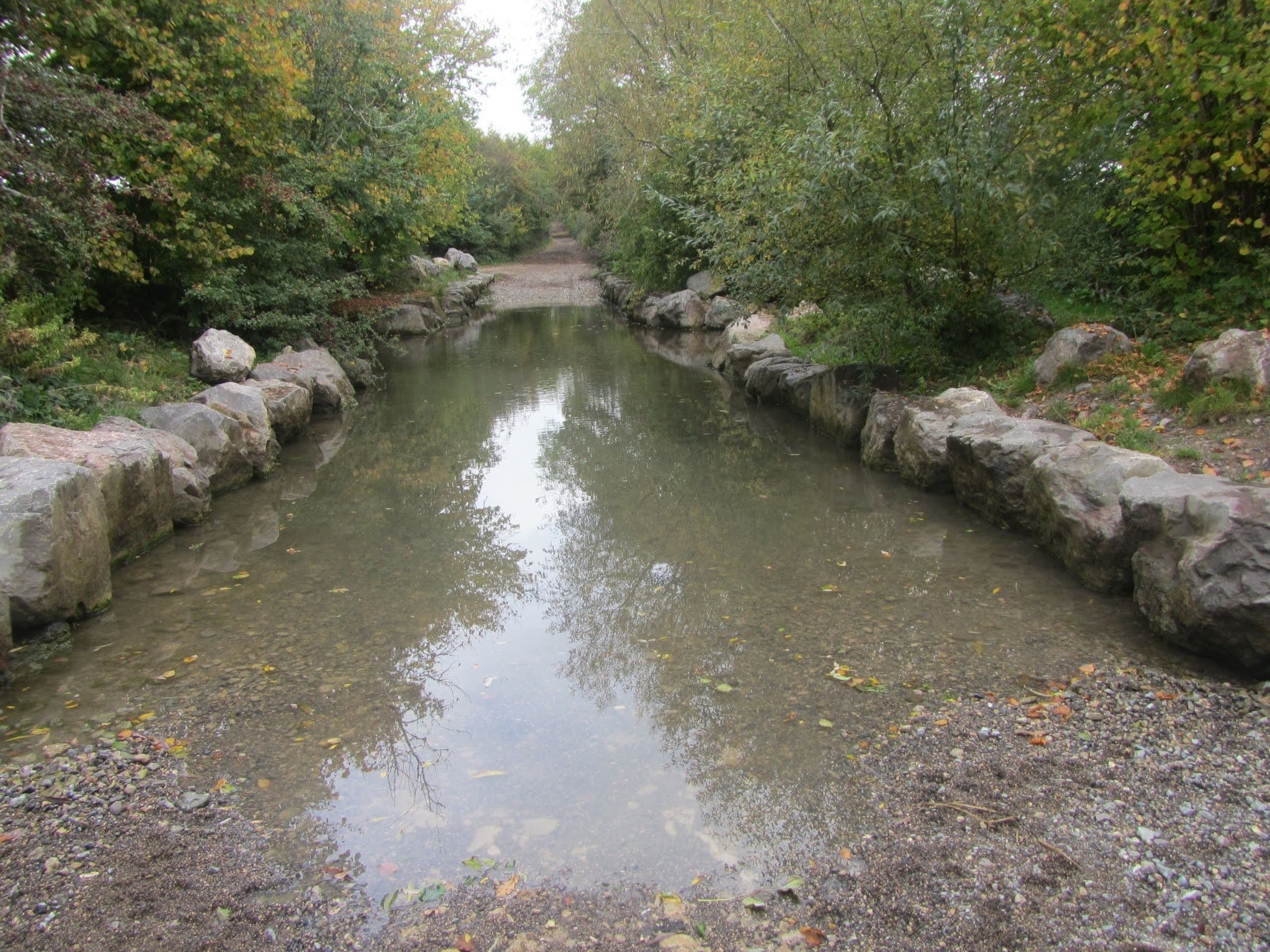
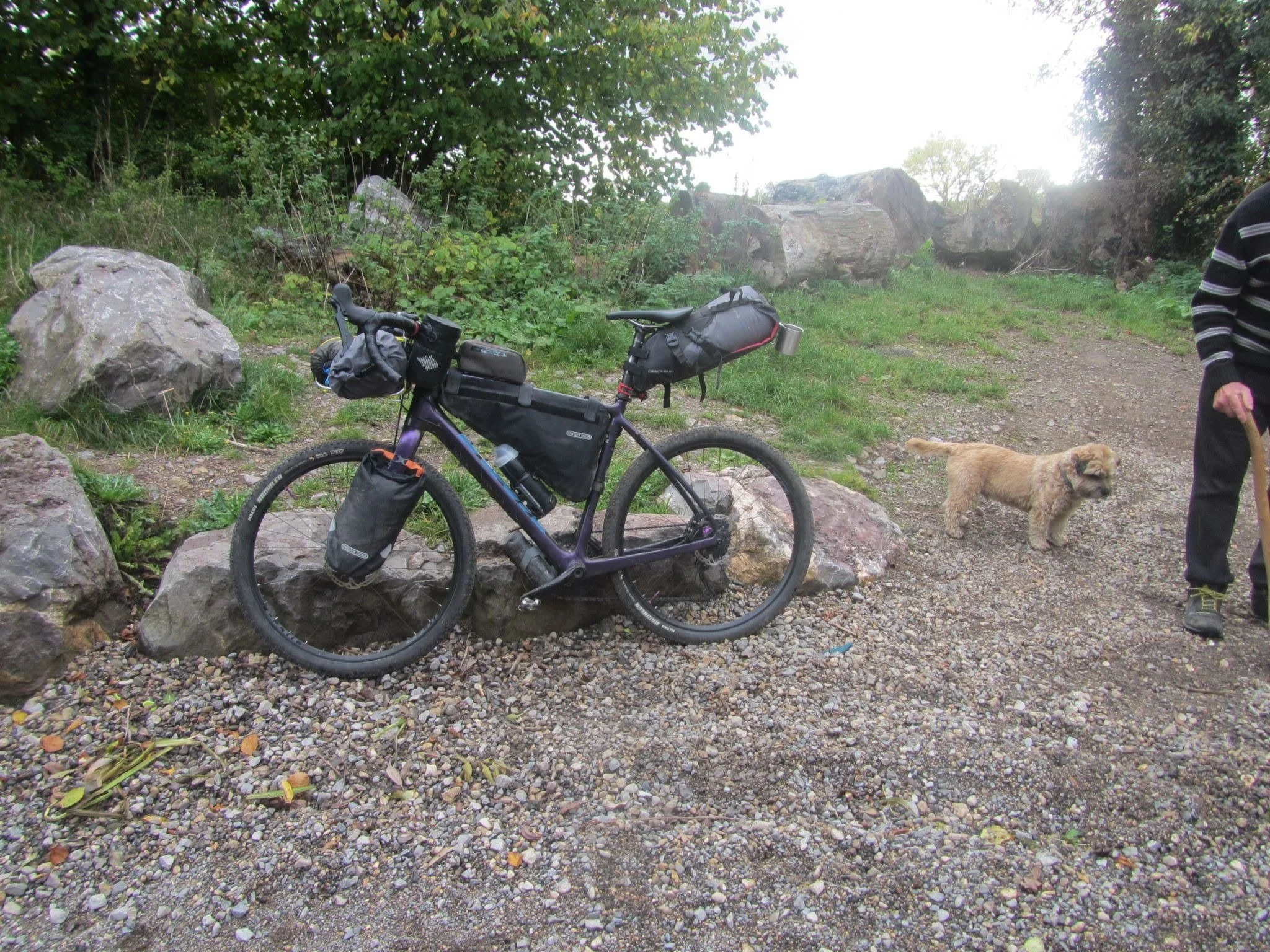
Somewhere along the Fosse Way, we came across an older gent sitting by a ford with his dog, watching the water drift by. We stopped to take in the quiet ripples of what turned out to be a small section of the River Avon. When we asked if he knew the name of the river, he laughed and admitted he wasn’t sure himself. We chatted for a while as he told us about his parents from Canning Town before the Second World War, and how he’d always wanted to visit London again to see how it’s changed.
By mid-afternoon, we’d dropped down to the Kennet & Avon Canal, following the towpath east toward Bradford-on-Avon. A highlight was the Avoncliff Aqueduct, where the canal runs high above both the railway line and the River Avon below a remarkable piece of engineering by John Rennie. We stopped for a few minutes to take it in, admiring the waterway bridge suspended in the air, a quiet, timeless scene that summed up the day’s easy rhythm.
A little further on, we rolled into Bradford-on-Avon and Trowbridge before calling it a day at Yellowtail Campsite (£15 per pitch). The evening was spent refuelling at The Lion and Fiddle, home to a surprisingly perfect Nepalese curry (10/10 would recommend).
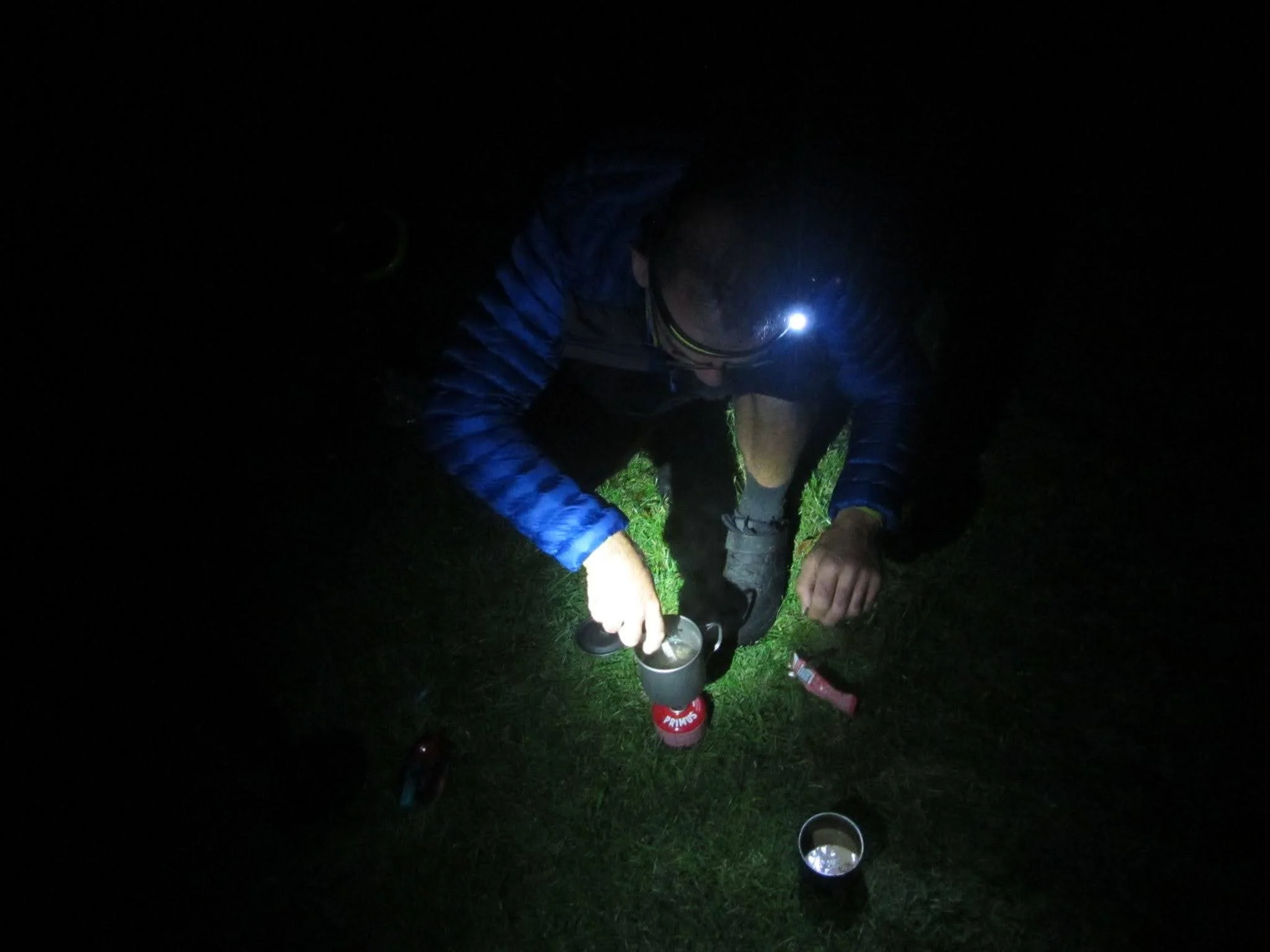
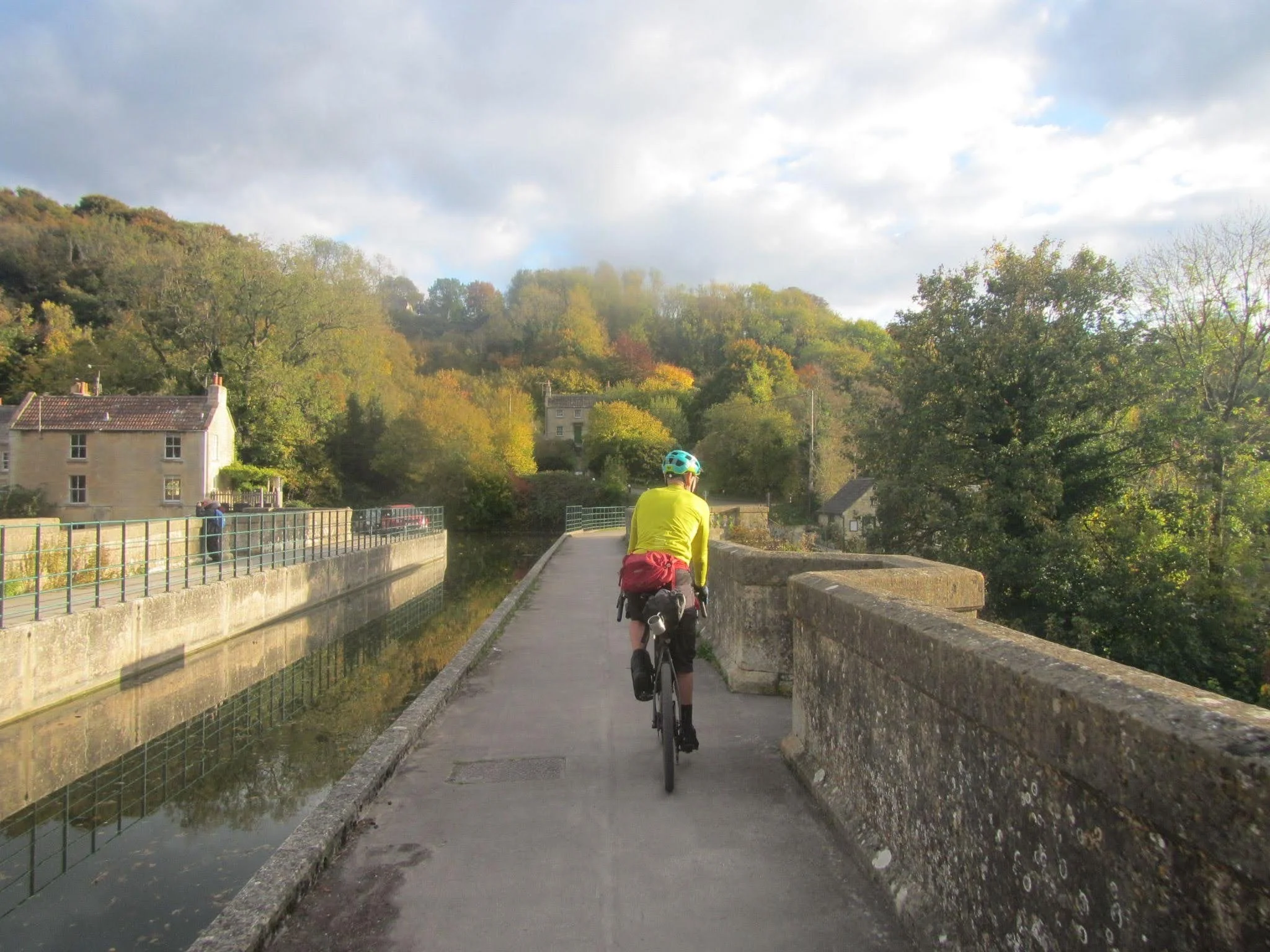
Morning came brisk and dim, the kind of early autumn light that demands torches and strong coffee. John fired up his stove and brewed what can only be described as rocket fuel. Day two brought roughly 4,000 ft of climbing, most of it along the chalky, demanding trails of The Ridgeway, the UK’s oldest road and one of its most stunning.
The route took us through Castle Combe, often called England’s prettiest village. We rolled quietly past its honey-coloured cottages and over the old stone bridge, a short but memorable glimpse of picture-postcard Wiltshire before heading south toward the canal
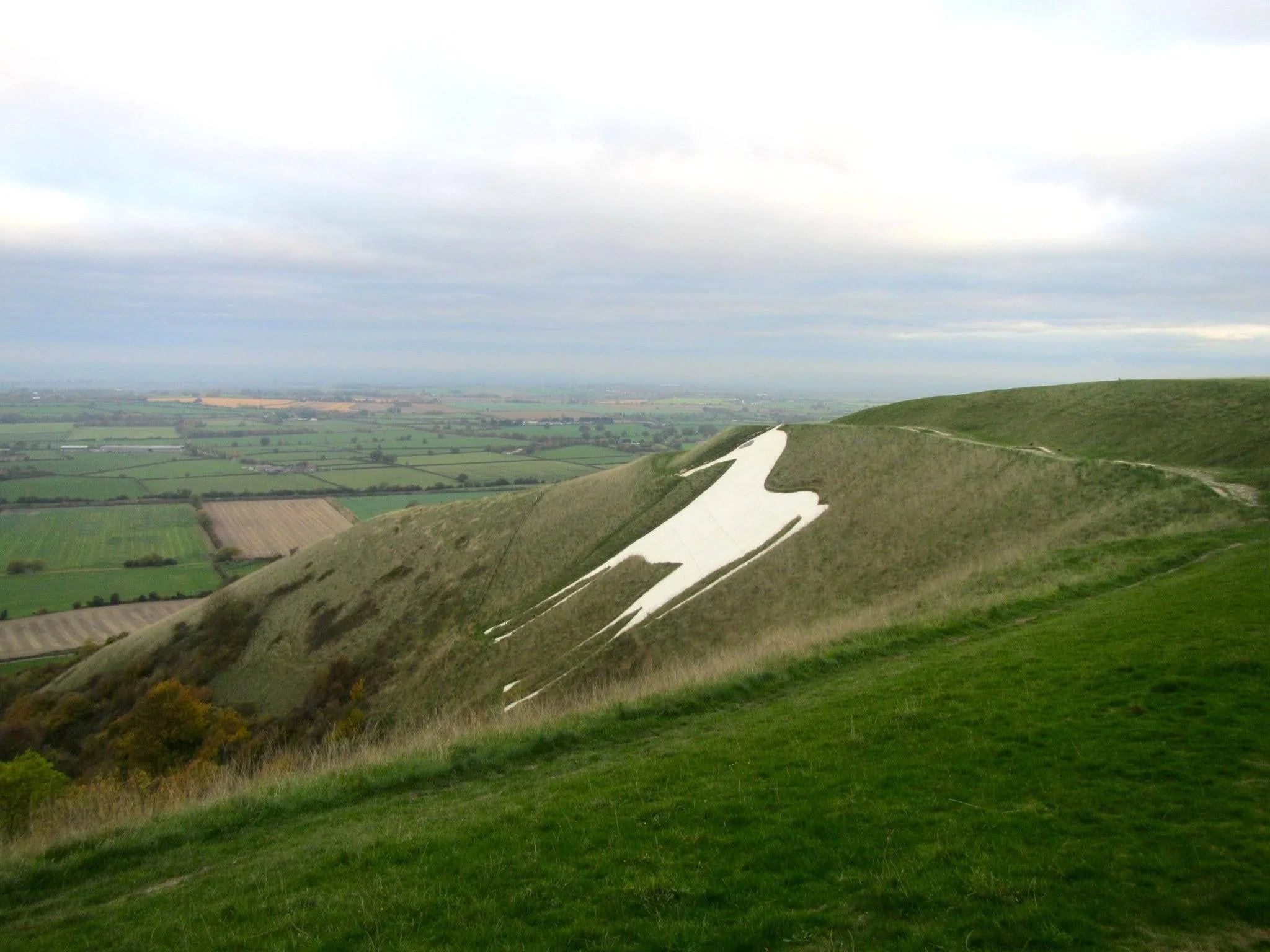
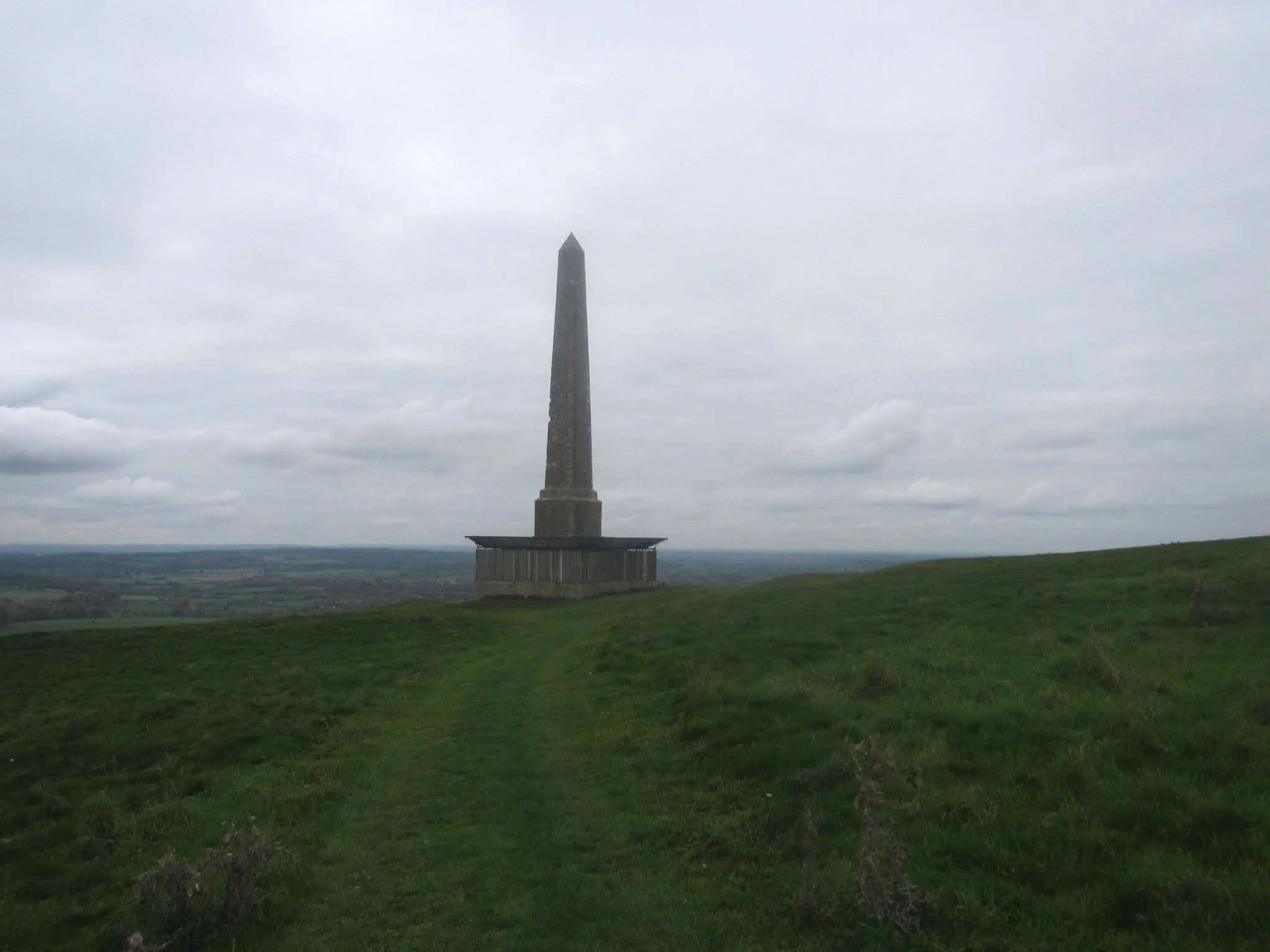
We detoured south-east to visit Westbury Hill and its iconic white horse, then traced the ridge above Salisbury Plain before rolling into Devizes for a much-needed provisions stop. Climbing north out of town, we passed the Cherhill Monument standing tall on the hillside beside another great chalk horse. From there, the route swung toward Avebury, where the famous stone circles offered a quick pause before tackling our last big climb of the ride back up on the Ridgeway.
Two punctures (both mine, naturally), a few questionable energy bars, and plenty of laughs later, we rolled into Swindon Station just in time for the 15:04 train back to Paddington.
The weather was on our side this time dry, mild, and mercifully calm, a stark contrast to the chilly, rain-soaked South Downs trip back in April. All told, the route packed in 5,764 ft of climbing, and every bit of it felt earned. Massive thanks to John for his patience, navigation skills, and endless stash of mechanical know-how. Each overnighter keeps reminding me what Unit 5 stands for: Commuting, Exploration, and Adventure.
Written by - Tinashe: Unit 5 Floor Manager
