
Second City Divide Trip Log
By John Hooley
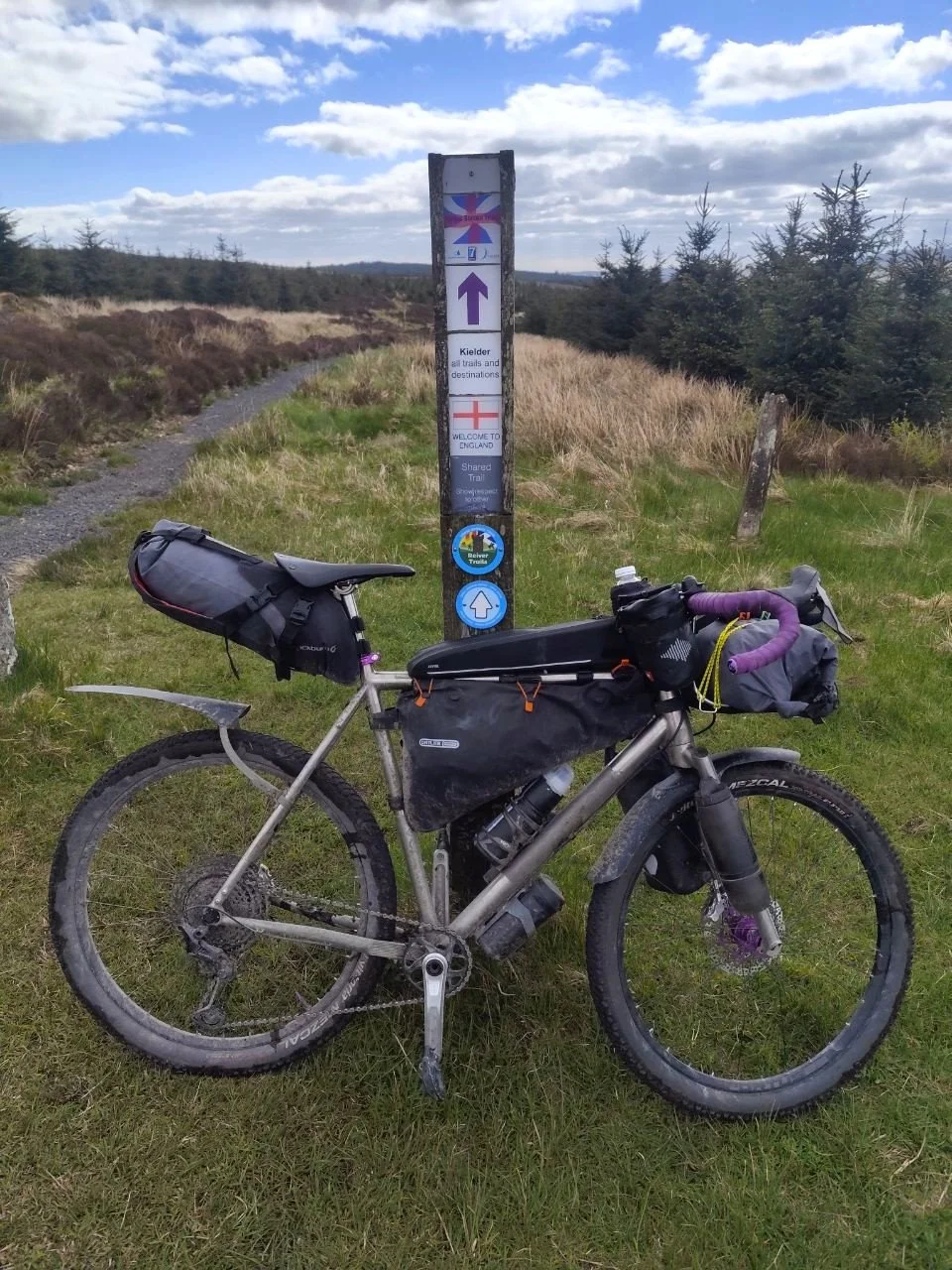
Every so often, I trade the workshop for the open road. This time, I took on the Second City Divide — a six-day, self-supported ride from Glasgow to Oldham, tackling wind farms, forest gravel, and some of the toughest climbs the Pennines have to offer. Looking back, here's how each stage of the journey went.
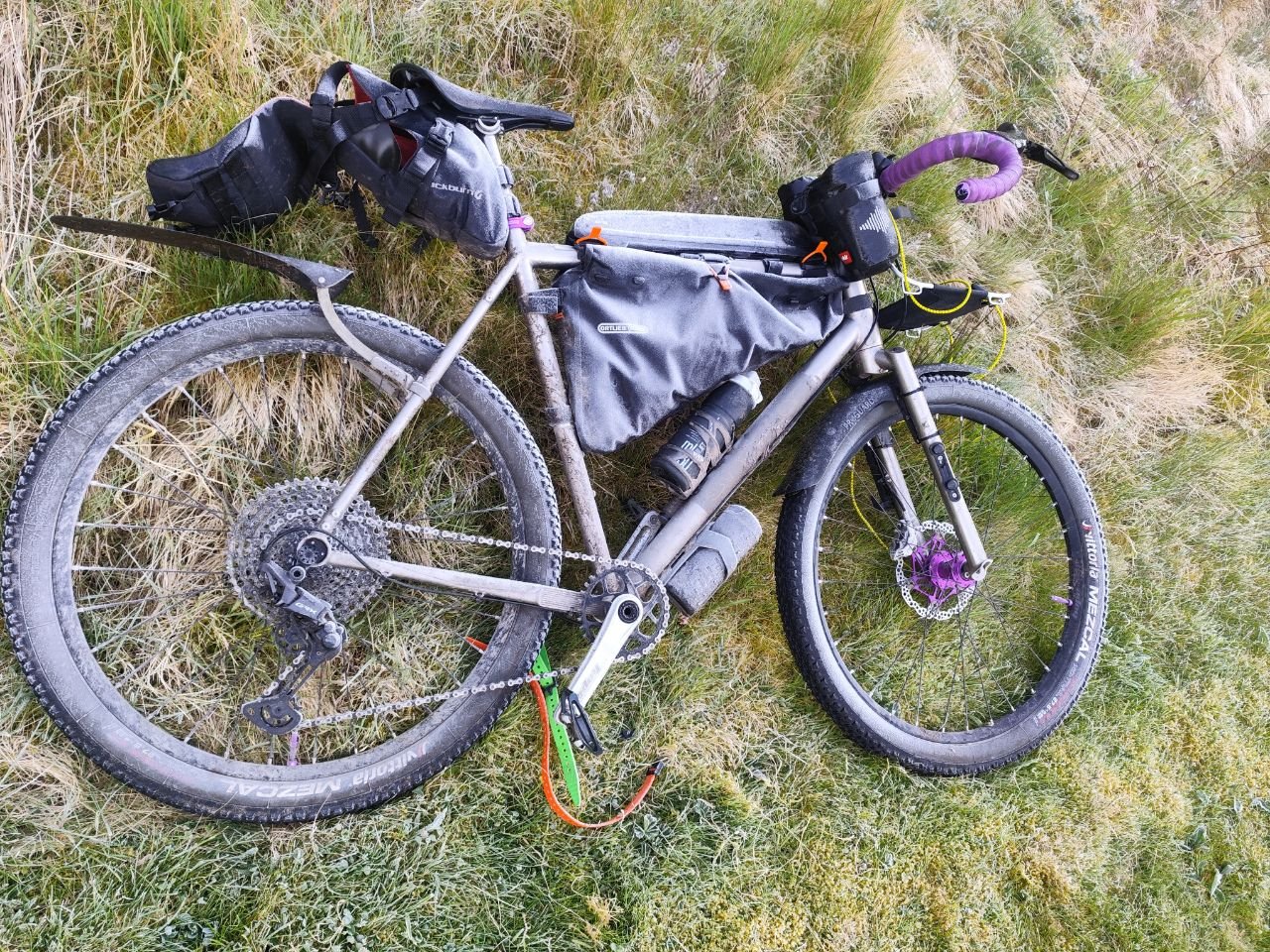
The Bike: Singular Kite (Titanium)
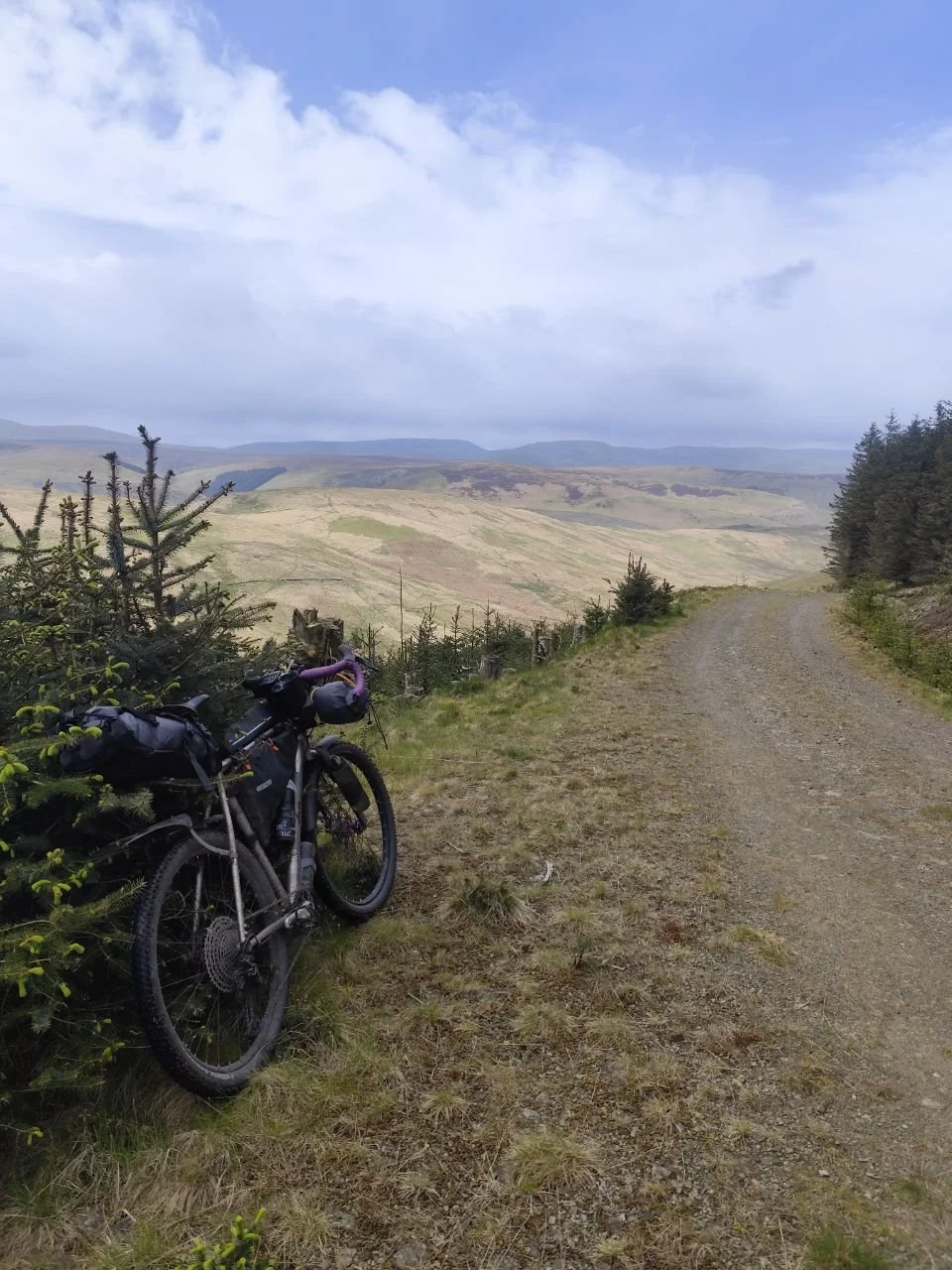
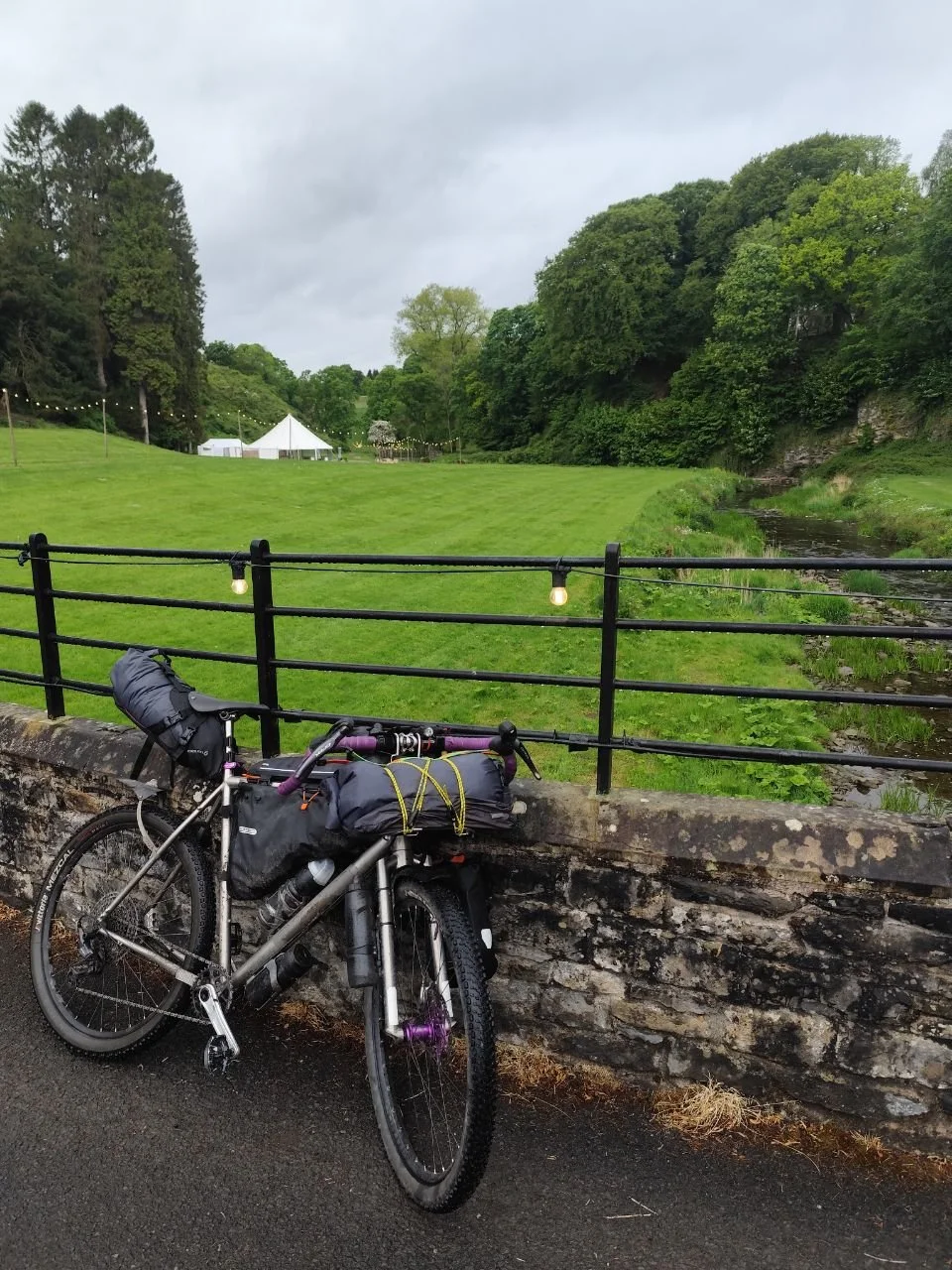
For this trip, I rode the Kite, a gravel bike (that's a bike built to handle a mix of road, dirt tracks, and rougher terrain, not just smooth tarmac). It's been around in one form or another for 15 years, starting out as a steel frame and evolving into what it is today: a titanium bike, which basically means it's strong, lightweight, and built to last, with a smooth, comfortable ride even over long, bumpy days in the saddle.
One of the best things about this bike is how adaptable it is. You can set it up with wider, cushier tyres for comfort on rough tracks, swap to skinnier ones for speed on the road, or load it up with bags front and back for a proper multi-day adventure like this one, no need for a different bike for every type of ride. That flexibility made it a great choice for six days of Scottish hills, gravel forest paths, and everything in between.
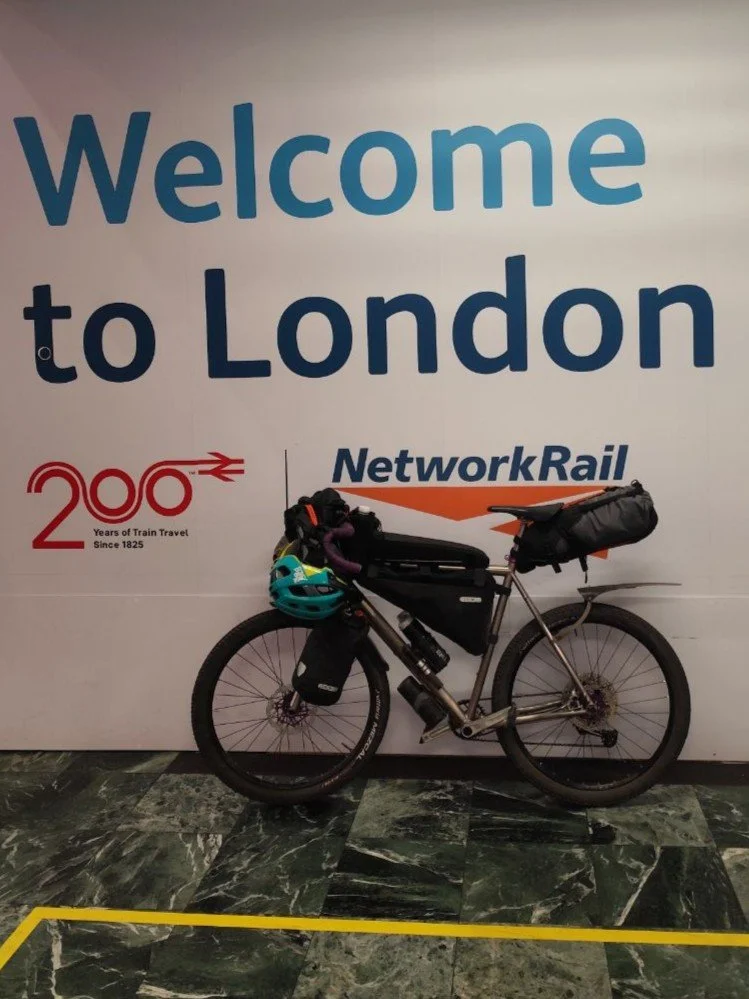
Euston Station — The Journey Begins
The trip started, fittingly, with a train from Euston up to Glasgow, where the real ride would begin.
Day 1: Glasgow to near Carmichael
The journey up from Euston to Glasgow had been smooth, but Glasgow itself greeted me with grey skies and rain. Leaving the station at around 2.45pm, I was keen to make as many miles as possible before finding somewhere to camp.
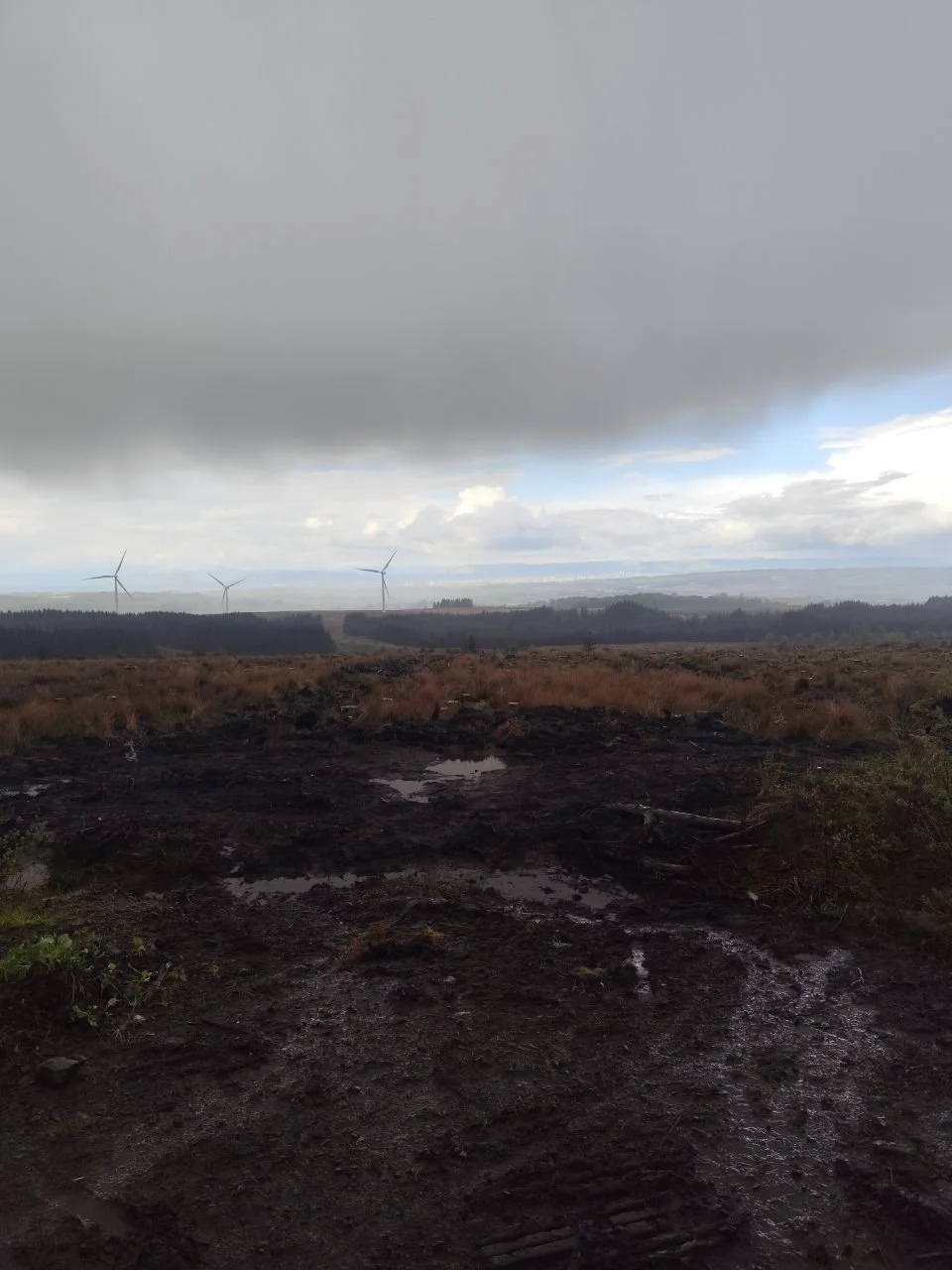
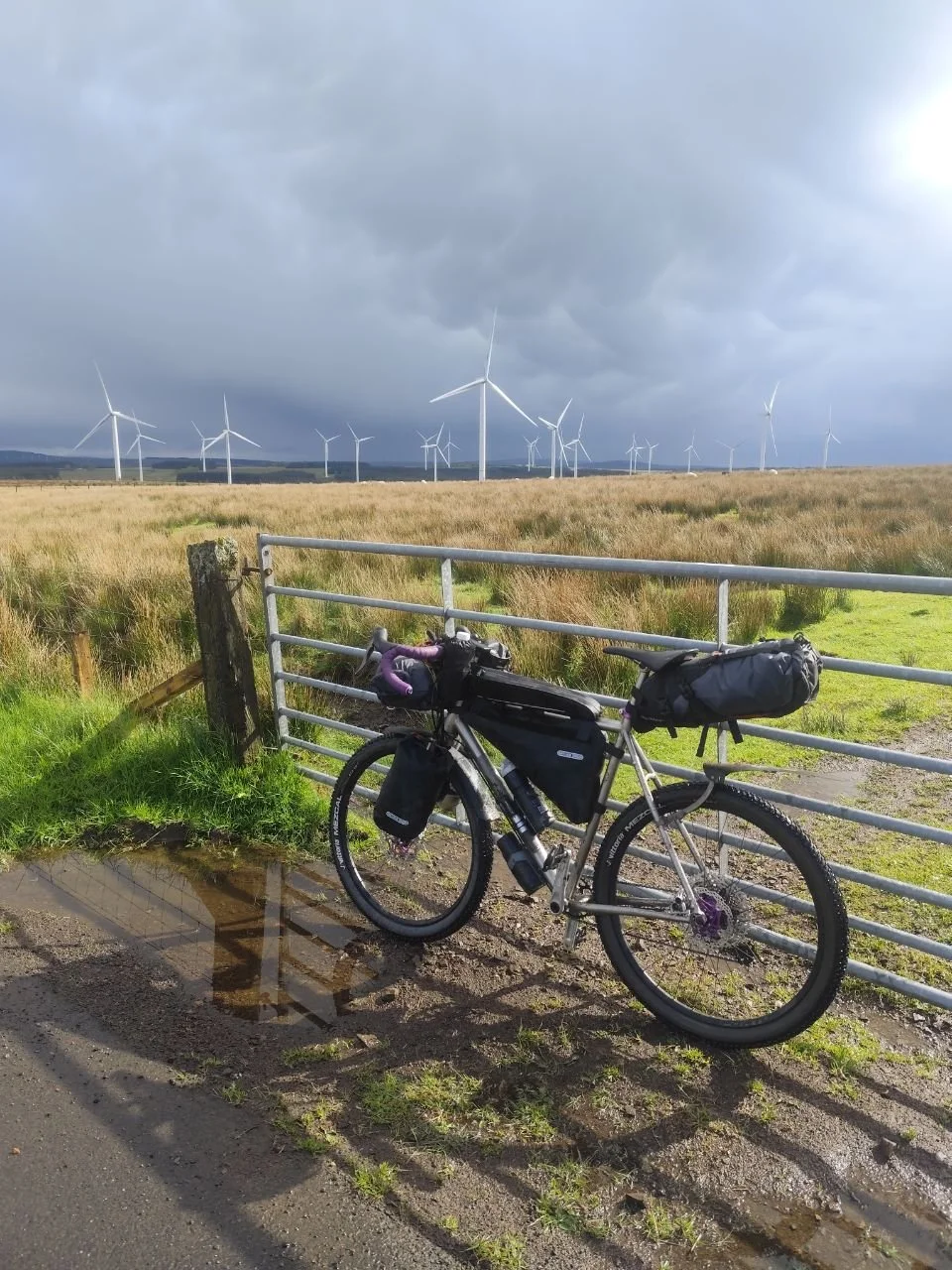
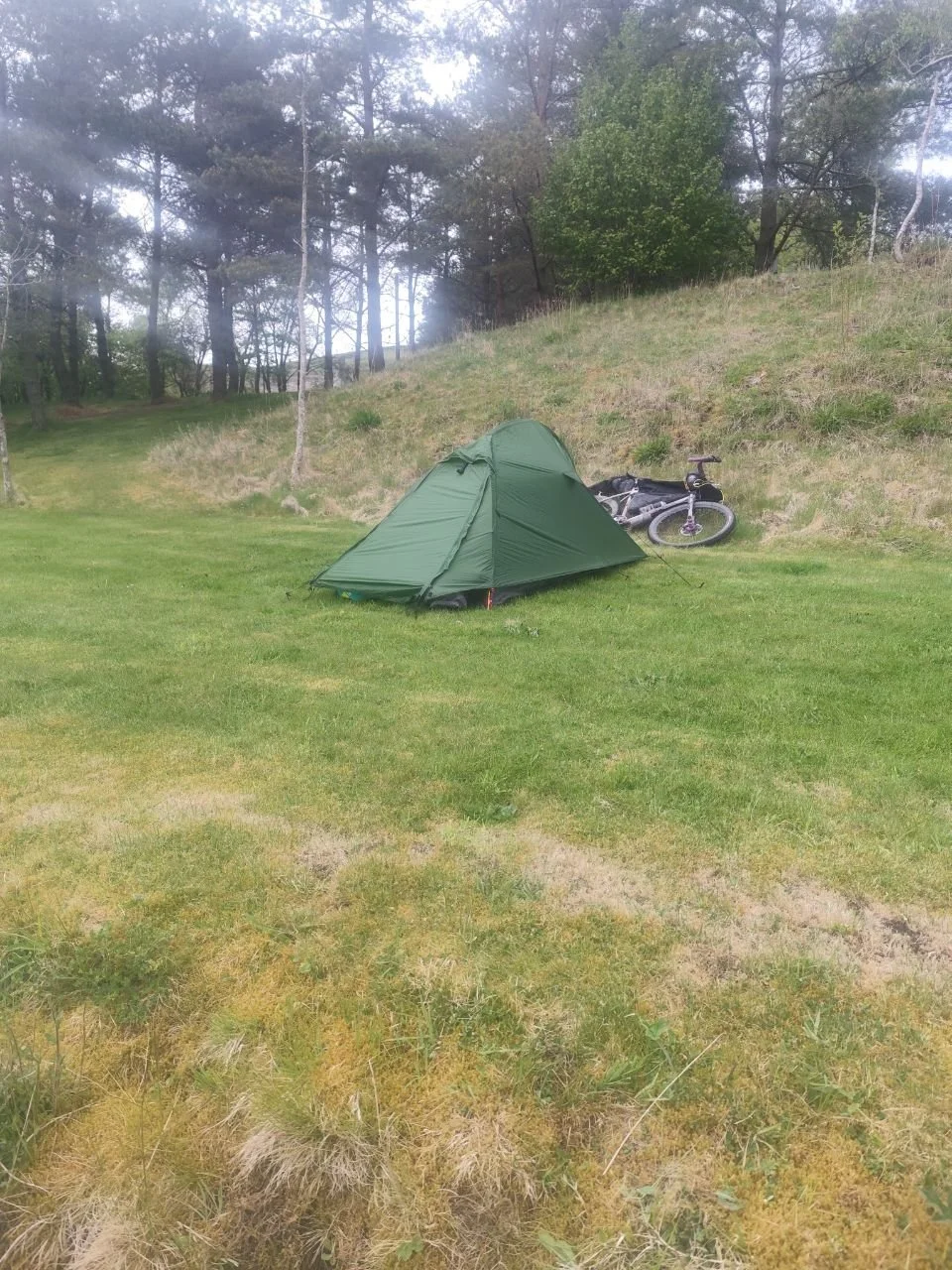
Once clear of the suburbs, the route climbed up past wind farms, and the heavens opened, though at least there was a tail wind to push me along. The showers passed, I dried out, and a great takeaway stop at Pepe's in Lesmahagow kept me fuelled before I found a sheltered spot to camp, catching a bit of late evening sun to end the day.
53 miles, 4,829ft elevation
Day 2: Scottish Borders
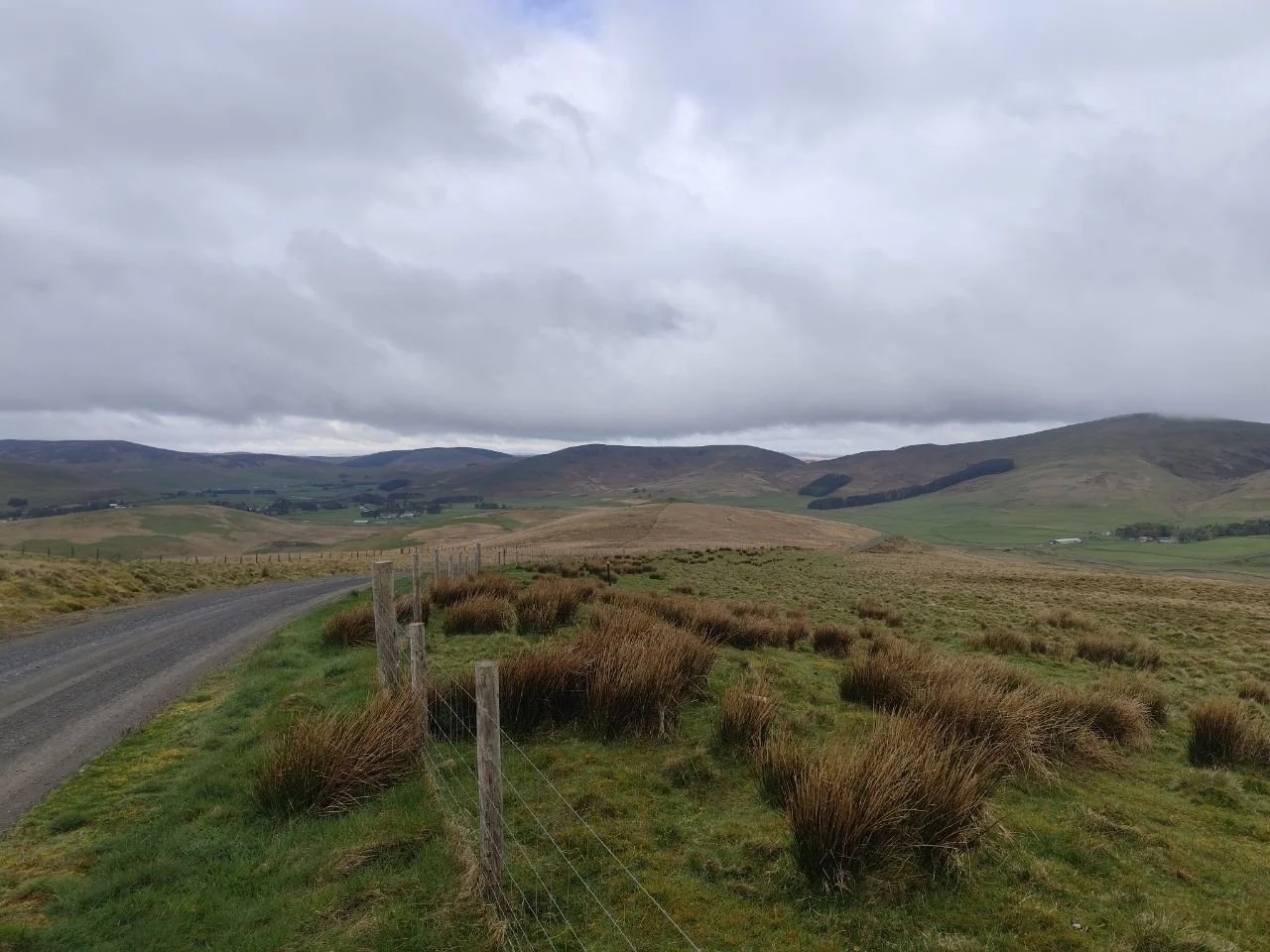
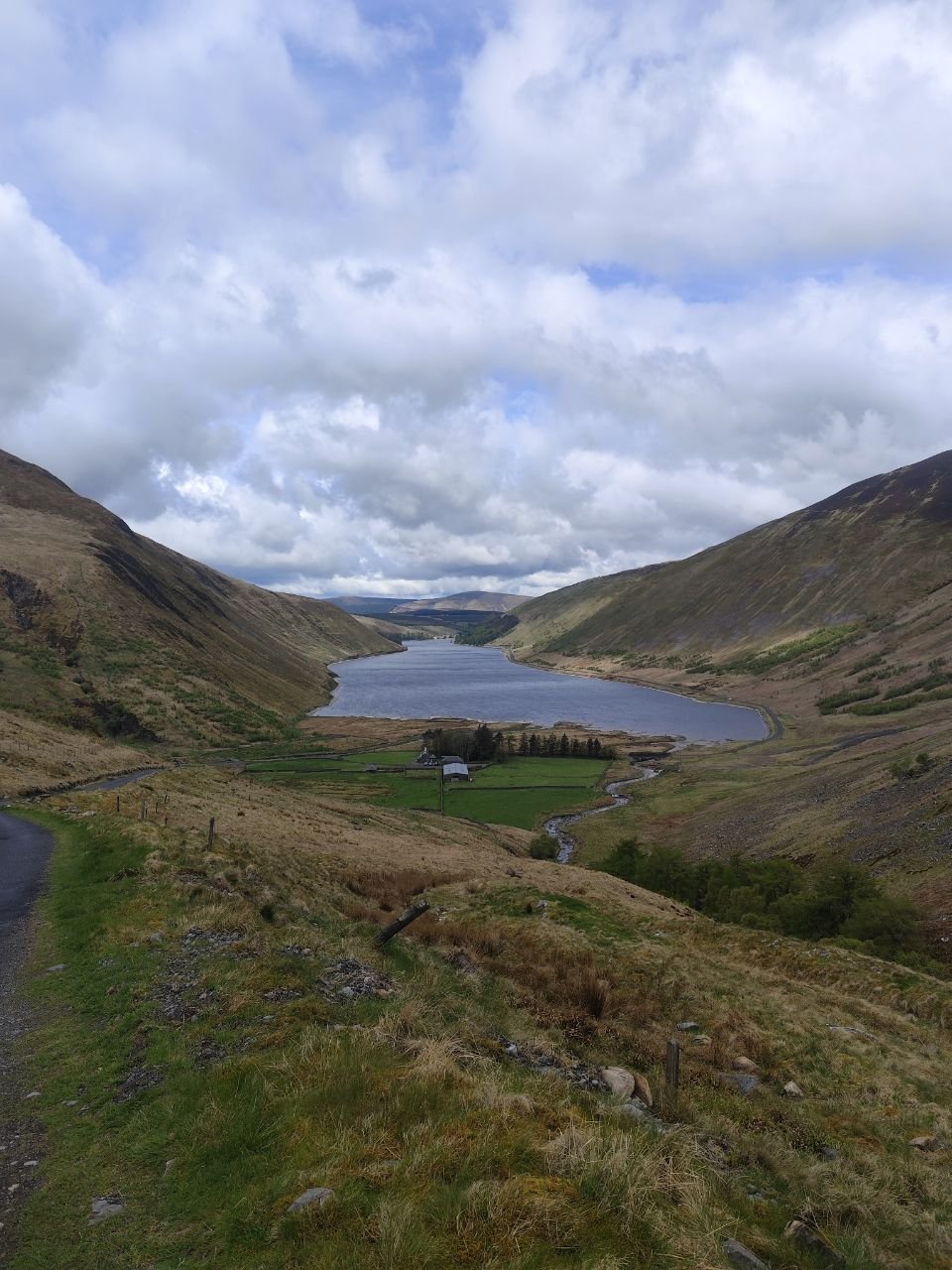
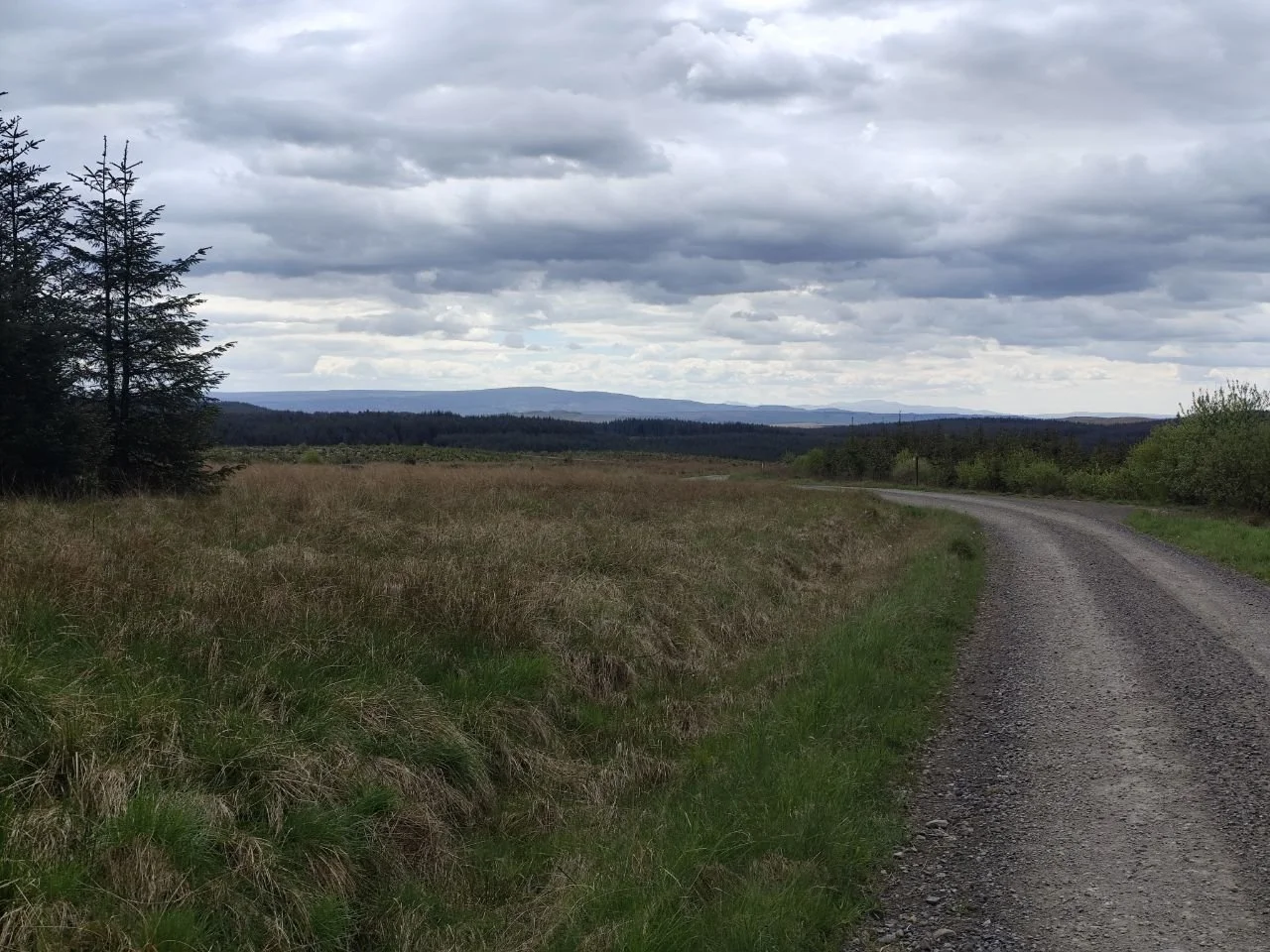
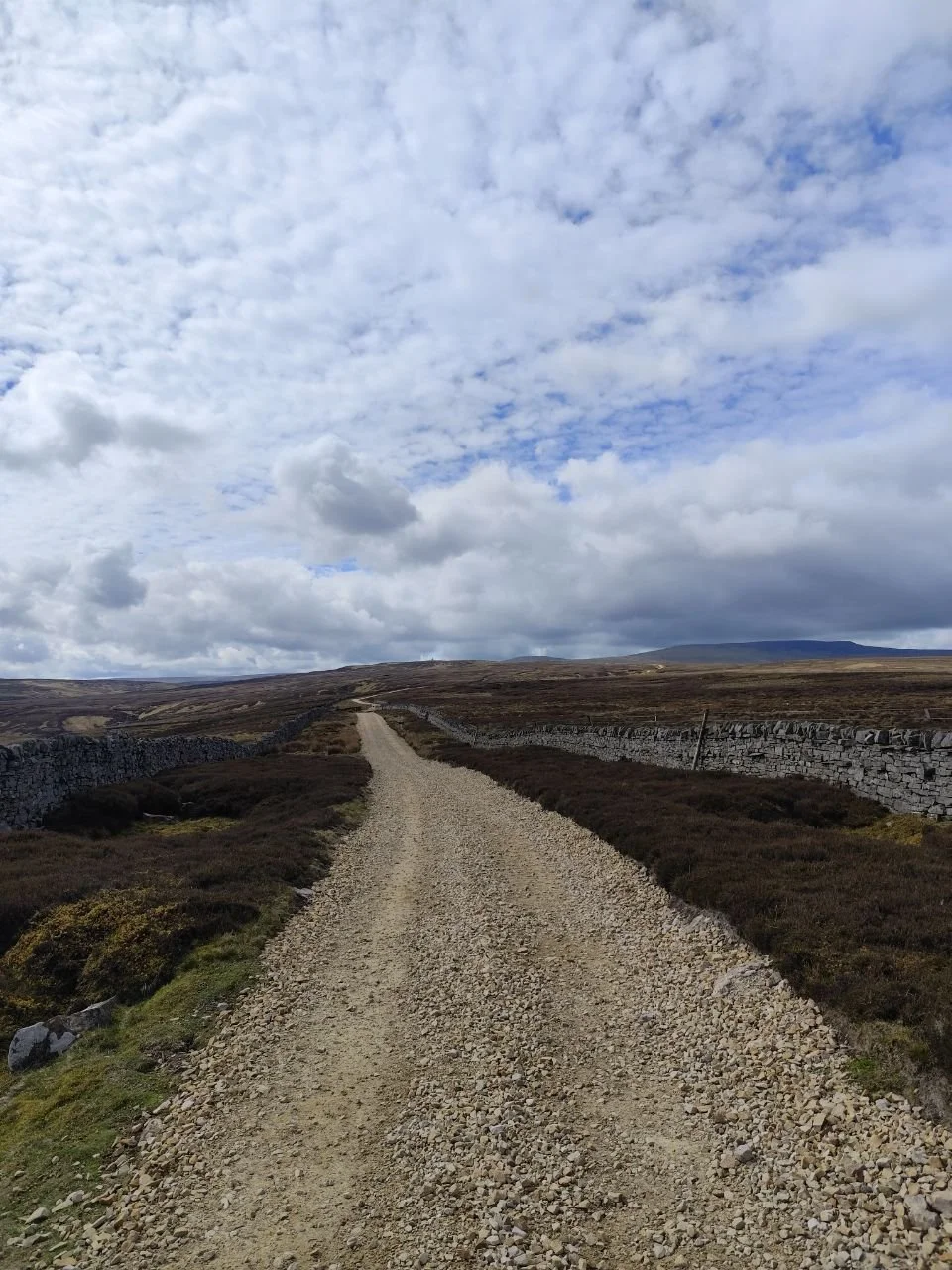
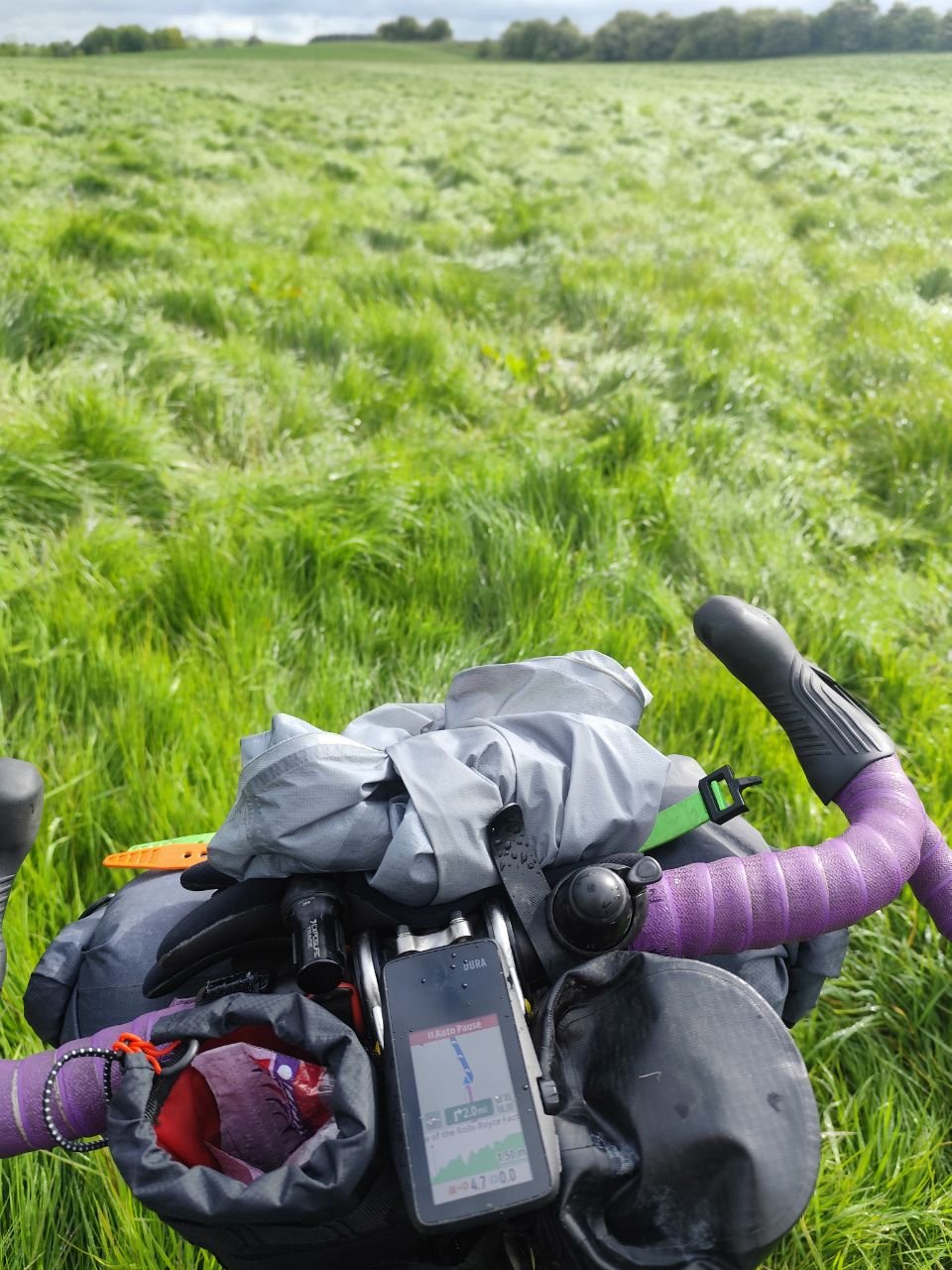
After a dry night, Day 2 turned into one of the bigger days of the trip, a mix of sunshine and showers that, in the end, was kinder than forecast. The northerly tail wind held, carrying me past more wind farms and over forest gravel that stayed mostly rideable, including a big climb up Talla Hill.
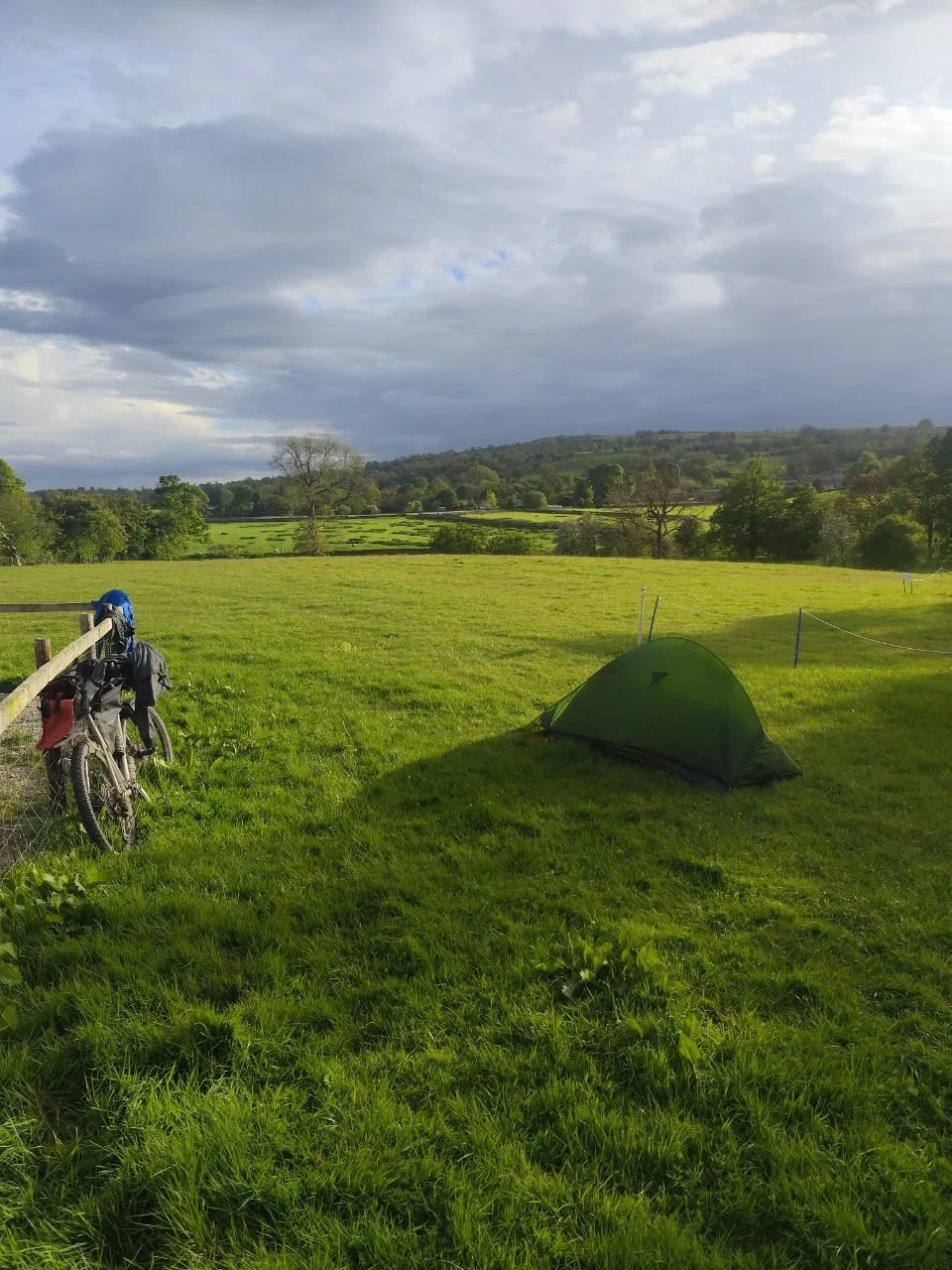
With little in the way of shops or pubs along the route, I relied on my own supplies, at one point asking an elderly local for a water top-up from a remote cottage. I'd had a couple of camp spots in mind, but strong progress meant pushing on past them, before finally finding a level pitch near the Scotland/England border, just as the evening sun came out again.
By the end of the day, I'd covered 83 miles — tired, but ahead of schedule, which felt like a real win.
83 miles, 7,323ft elevation
Day 3: Nenthead to near Alston
A cold, clear night gave way to a morning crossing the border into Cumbria, followed by miles of gravel through Kielder Forest. A hoped-for coffee stop at Kielder Water didn't pan out, the café was closed but with no rain to contend with, I pushed on through tough terrain left over from the previous day's effort.
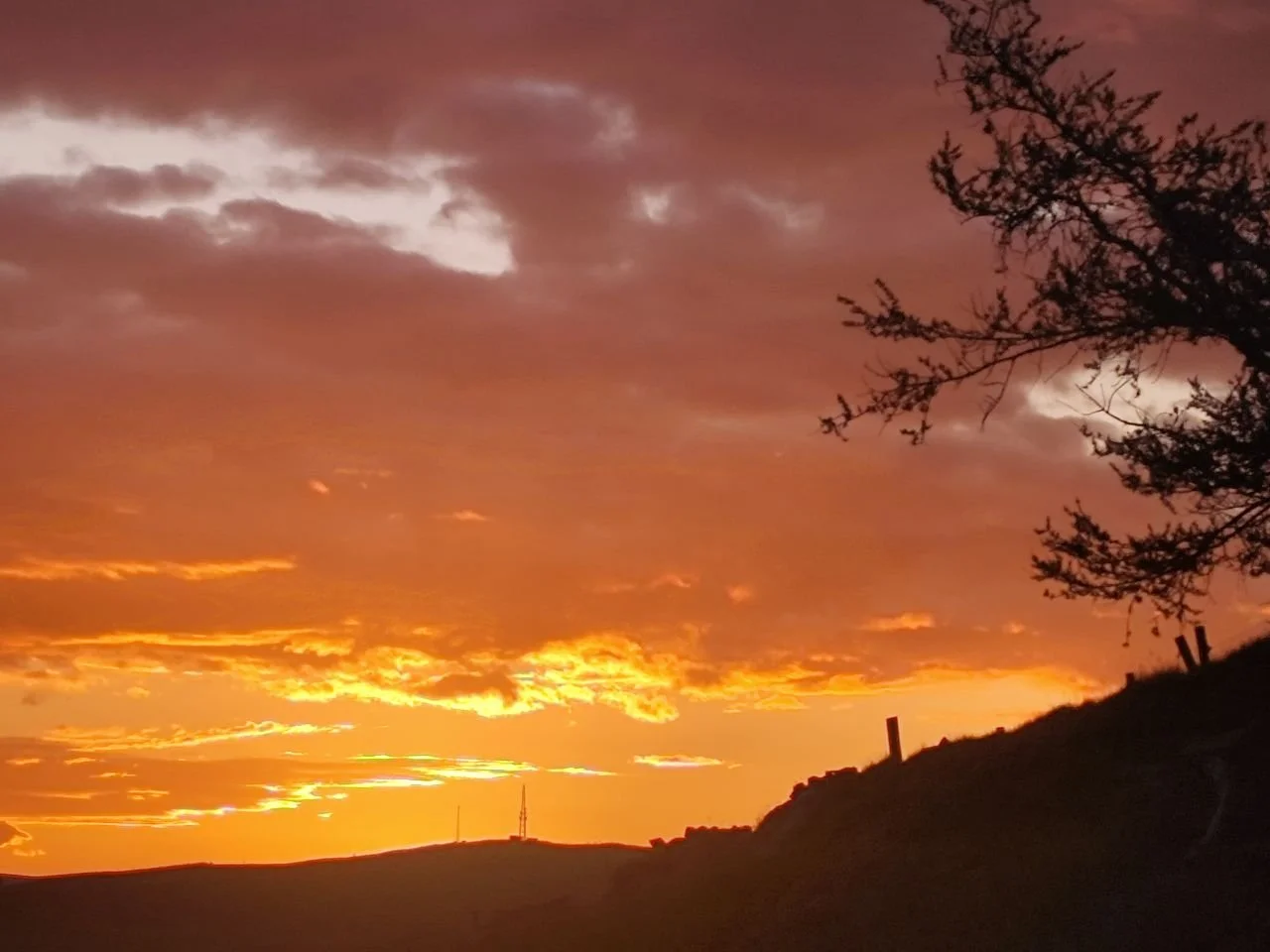
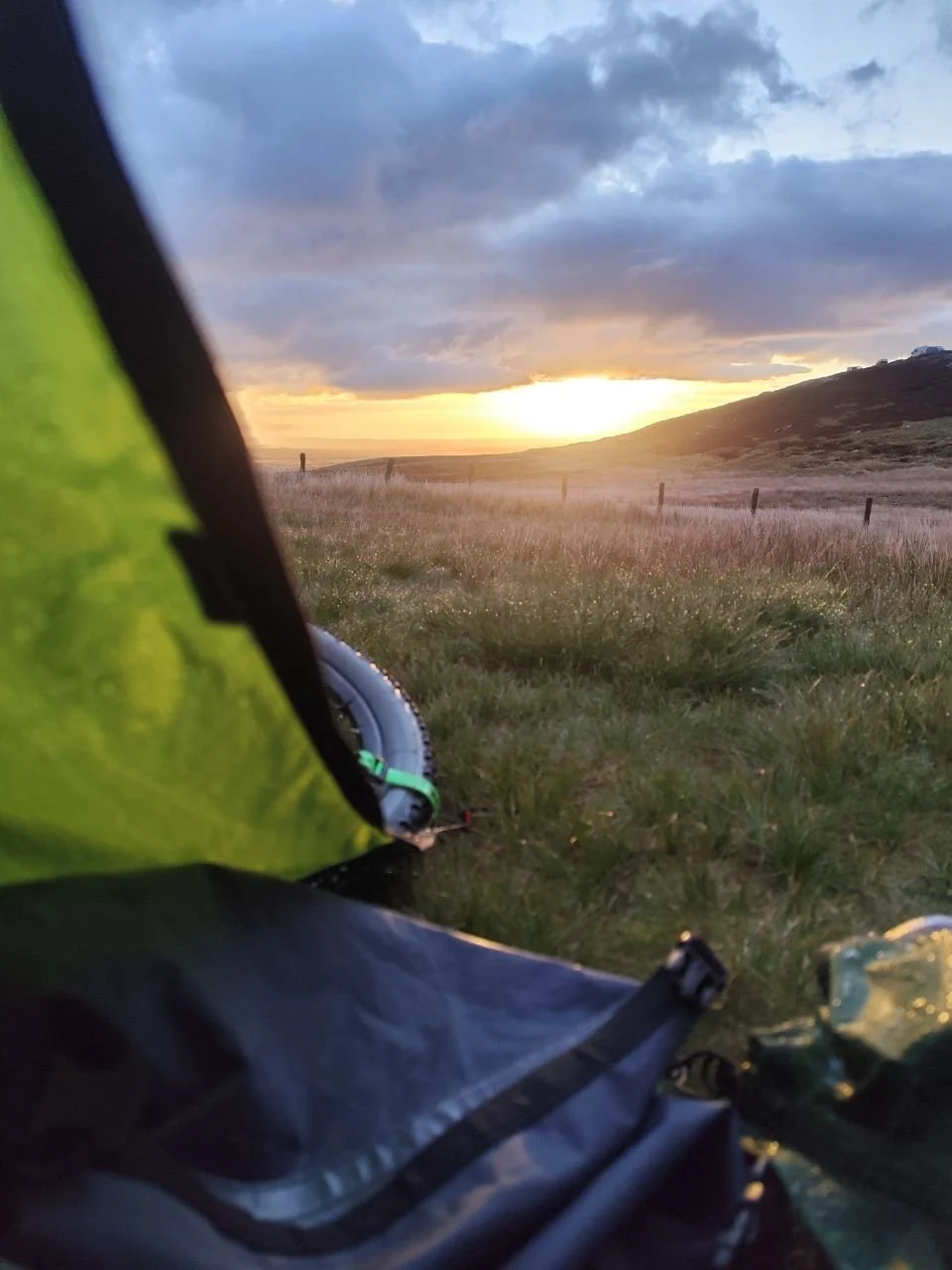
I ended the day at Haggs campsite near Alston, the only one there, for £12 and a great hot shower. The sunset, I remember, was spectacular.
62.5 miles, 6,135ft elevation
Day 4: Alston to Tan Hill Inn
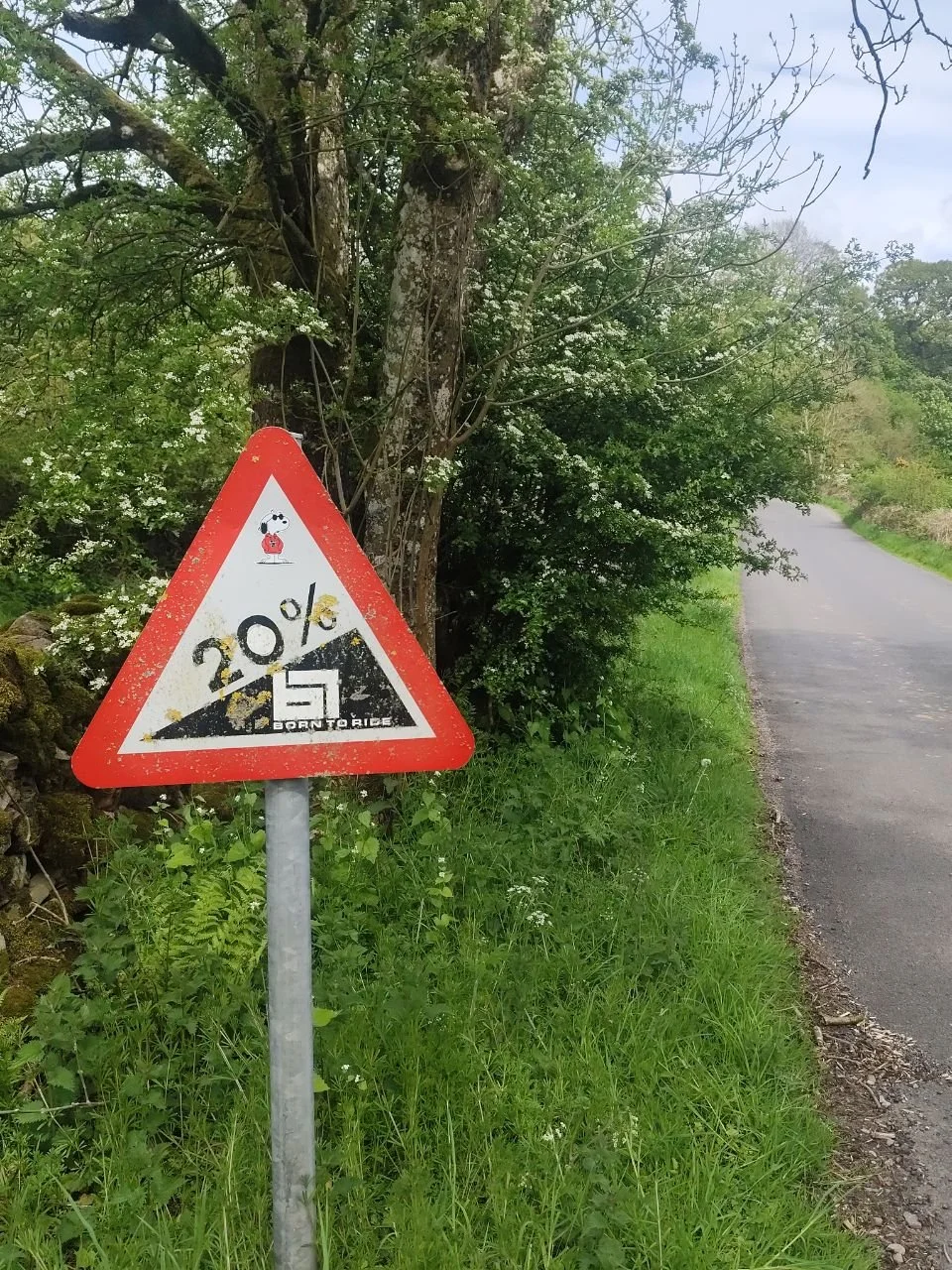
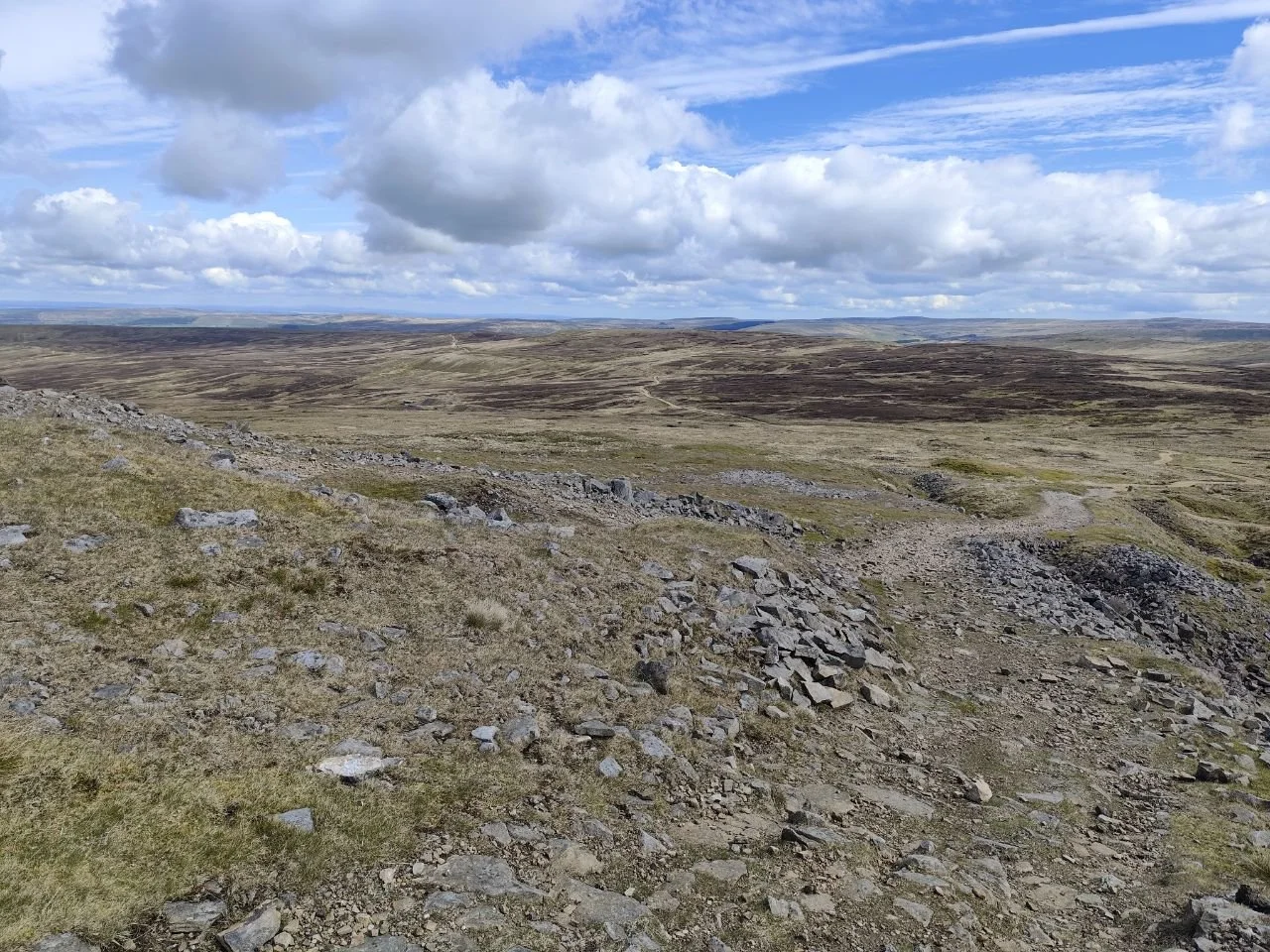
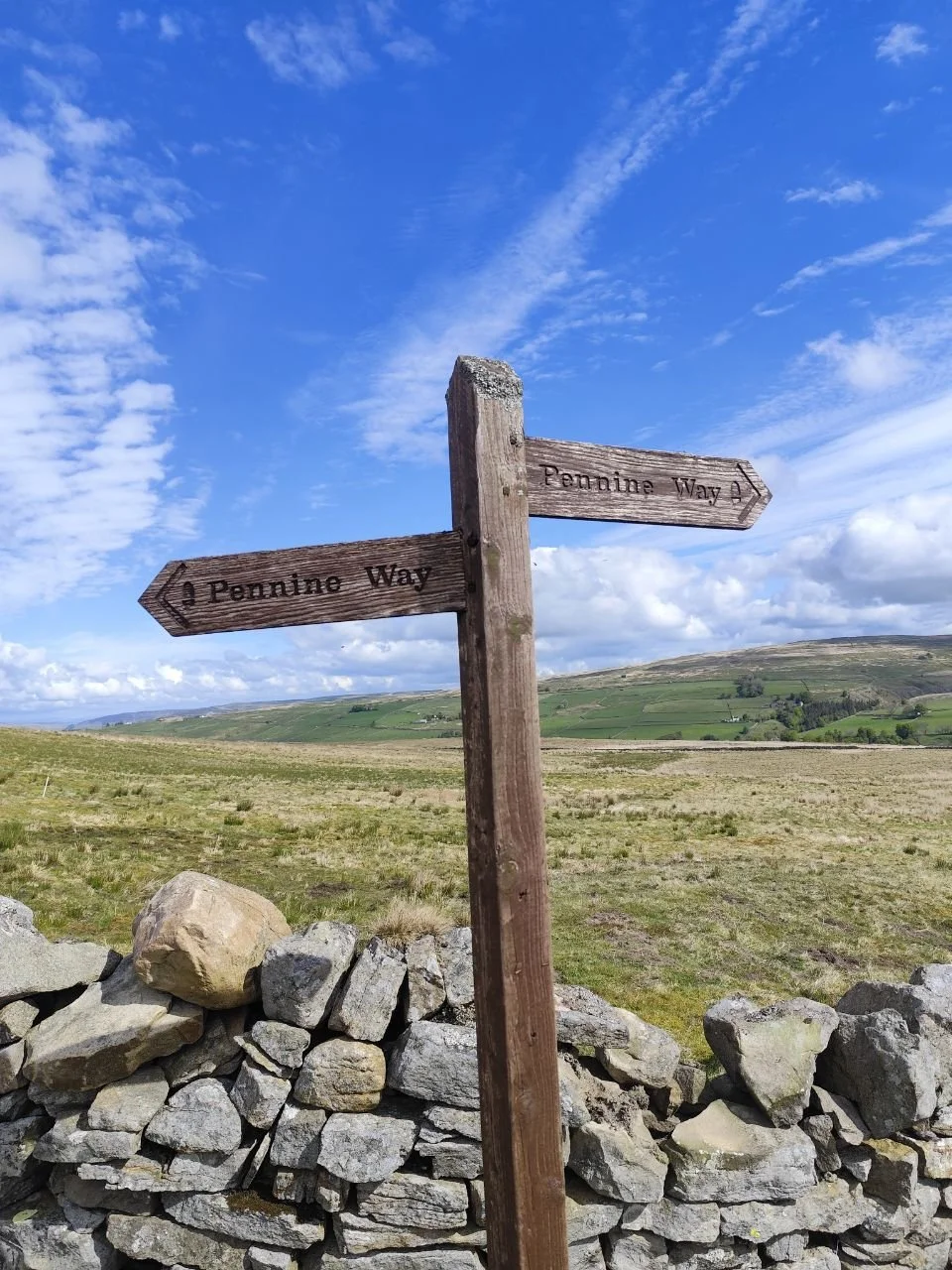
Waking to a frost, I used the early morning sun to dry out the tent before heading into Alston for supplies. What followed were some of the toughest climbs of the trip on and off road with the Pennine Way proving brutal, forcing long stretches of pushing the bike over rocky ground. The views, though, were spectacular.
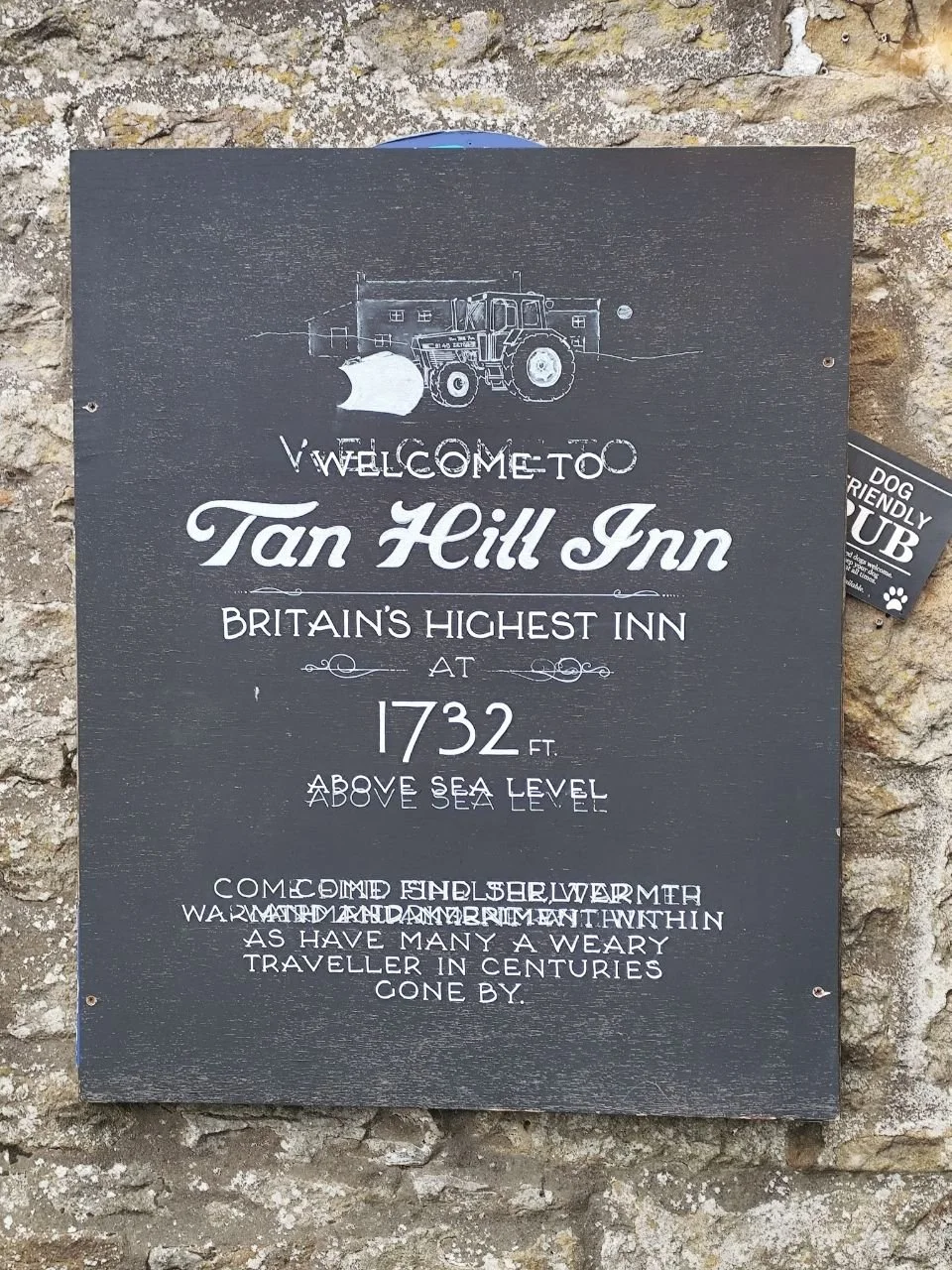
The original plan had been a pint at the famous Tan Hill Inn, Britain's highest pub before pushing on to camp. But as storm clouds rolled in and the wind picked up, I made the call to camp at the pub instead, getting set up just before the rain properly hit.
A proper pub supper, a pint of dark ale, and a decent covers band followed, tempting me to stay for a drink or two rather than retreat to a cold, wet tent. It ended up being the shortest day on paper, but with a brutal 6-mile climb up Tan Hill, it felt far longer.
50 miles, 5,978ft elevation
Day 5: Tan Hill to Gisburn
Ice on the bike marked another cold night, but at least the rain had stopped by morning, making for a dry pack-up. The day began with a long downhill run before tricky terrain led into a welcome resupply stop in Askrigg.
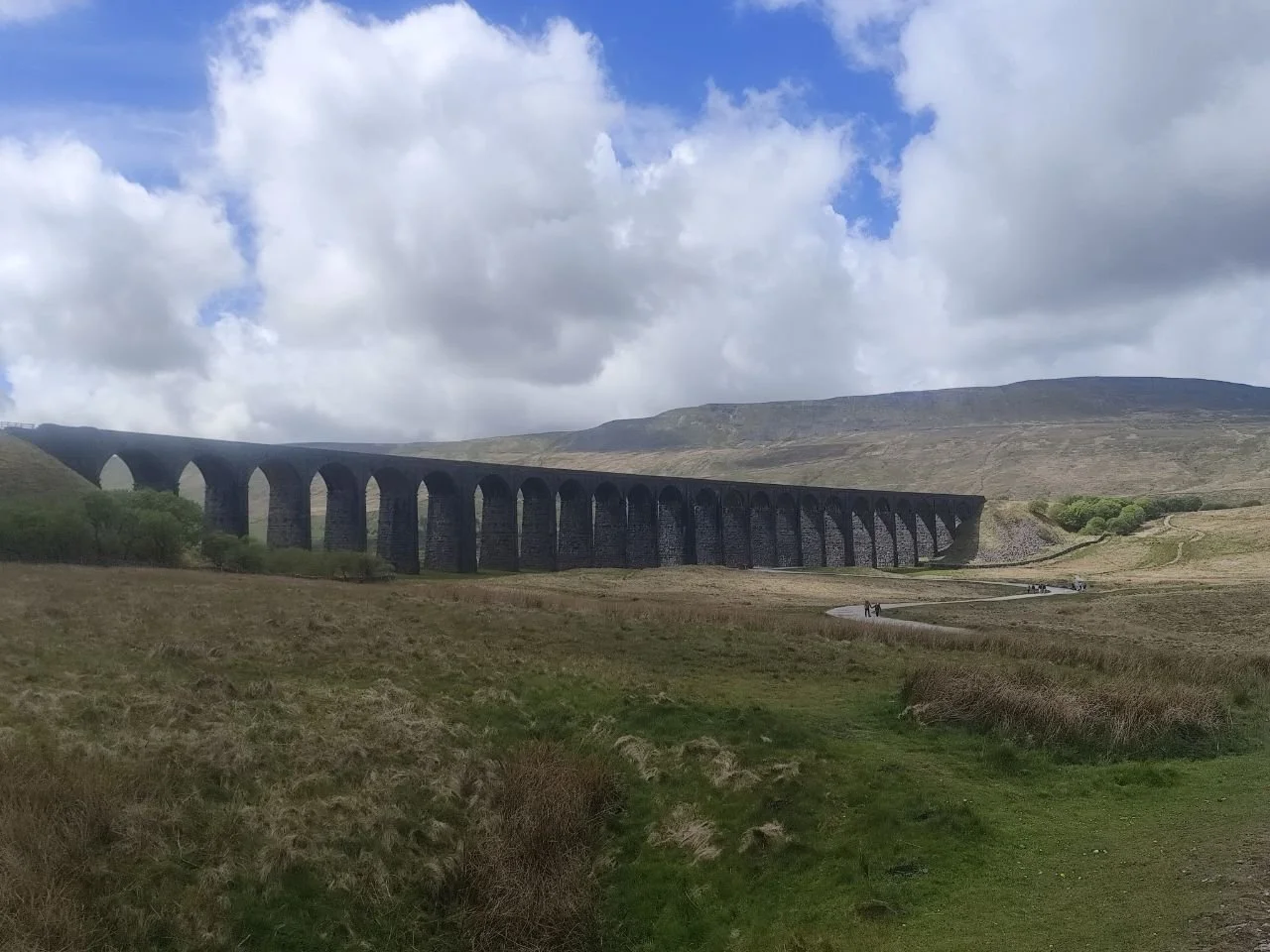
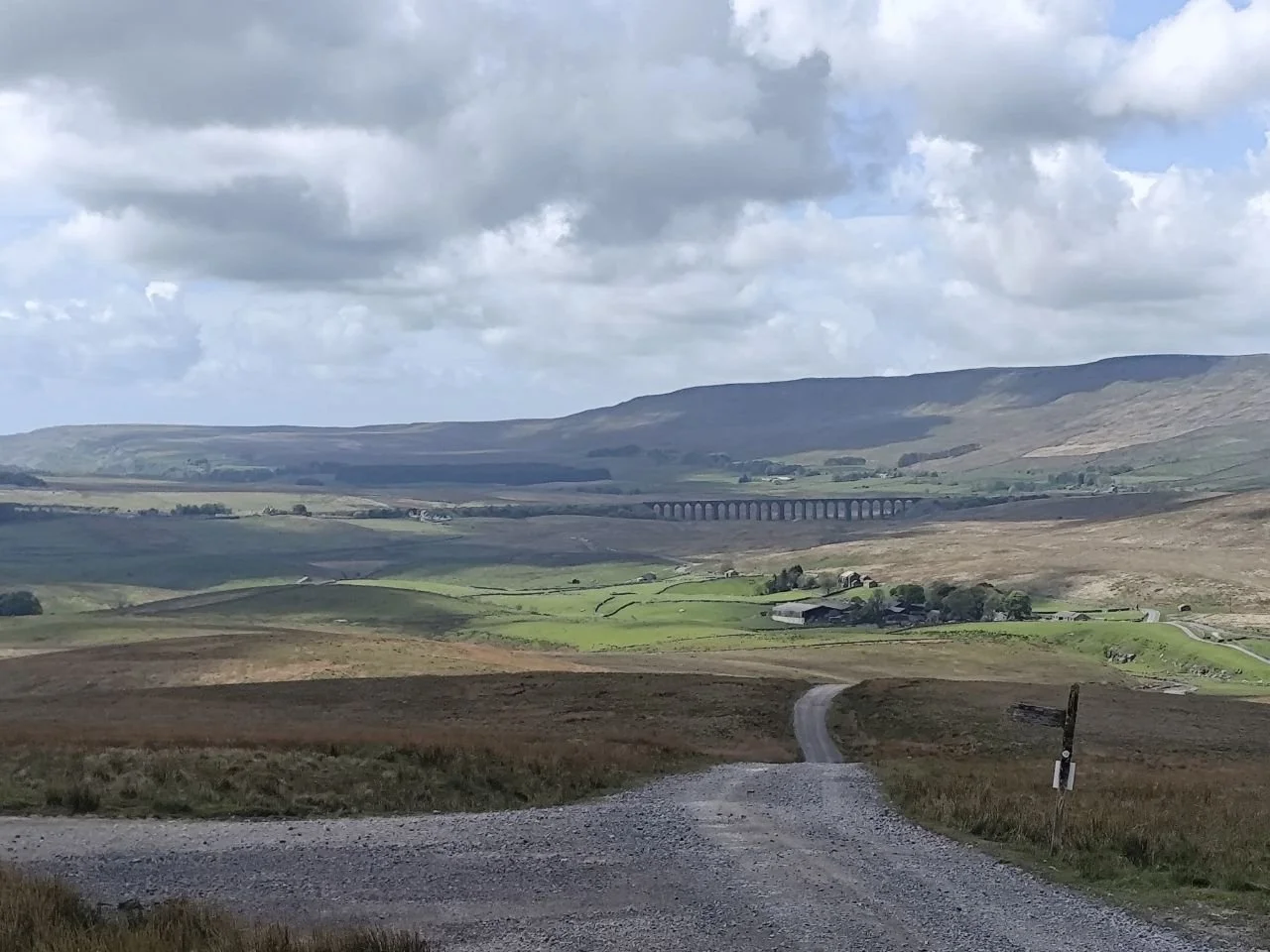
From there, a strong headwind set in for the rest of the day, at times slowing me to barely 10mph on the flat. A food stop at Ribblehead Viaduct broke up the slog through the valley, before the route climbed up and along the exposed, treeless Forest of Bowland, finally dropping down to a campsite near Gisburn just before heavy rain set in.
65 miles, 7,195ft elevation
Day 6: The Final Day
The last day began with a wet pack-up, but the promise of the finish line ahead. I'd expected a straightforward 50-ish miles, mostly on road, but the Pennine Bridleway had other plans, with plenty of pushing the bike over rough ground slowing progress. Legs tired and every hill a fresh challenge, I eventually rolled into Oldham by mid-afternoon, ready for a couple of well-earned days of rest.
54 miles, 5,600ft elevation
Looking back, the trip was tougher than I'd expected but the views along the way were incredible, and simply being out on a bike for a week, self-sufficient and moving through such varied landscapes, was a big win in itself.
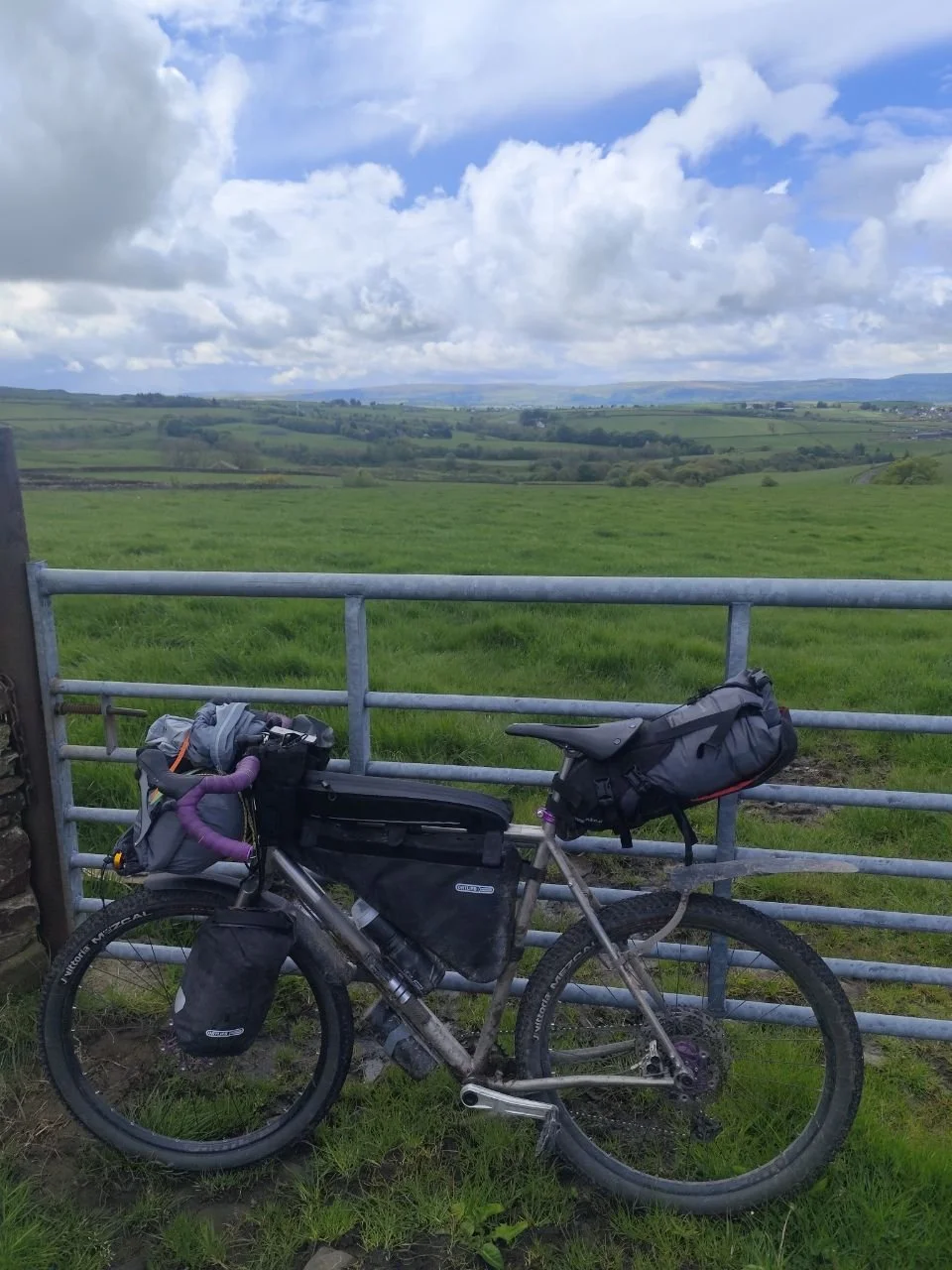
Why This Bike Worked So Well
Whether you're just getting into longer rides or thinking about your first bikepacking trip, the Kite is a good example of why versatility matters. You don't need a different bike for every type of ride a well set-up gravel bike can take you from a daily commute, to weekend gravel adventures, to a full week-long trip like this one, just by changing the tyres or adding some bags.
